


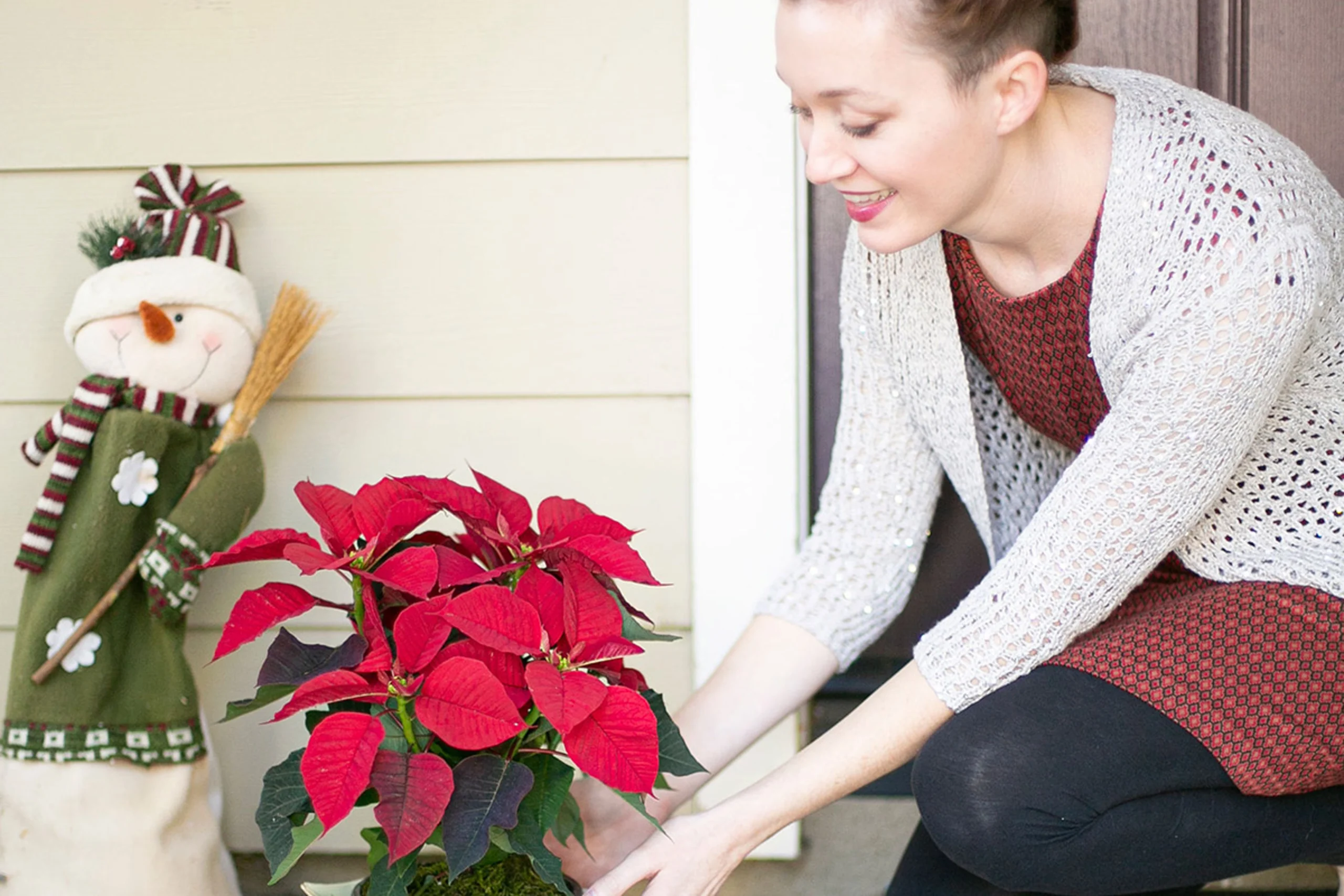
Poinsettia plants are among the most popular decorative houseplants, especially during the winter and holiday season. Known for their bright red, white, or pink bracts and lush green foliage, poinsettias instantly add warmth and color to any indoor space. However, many people struggle to keep these plants healthy beyond a few weeks. The truth is that proper poinsettia care can help your plant thrive not just during the holidays, but throughout the entire year.
In this detailed guide, we will cover everything you need to know about poinsettia care, including watering, light requirements, temperature, soil, pruning, fertilizing, and common problems. Whether you are a beginner or an experienced plant lover, this article will help you keep your poinsettia looking vibrant and beautiful for months to come.
Understanding Poinsettia Plants Before Starting Poinsettia Care
Before diving into poinsettia care tips, it is important to understand what kind of plant poinsettia actually is. Poinsettia (Euphorbia pulcherrima) is a tropical plant native to Mexico and Central America. In its natural environment, it grows as a shrub and can reach several feet in height.
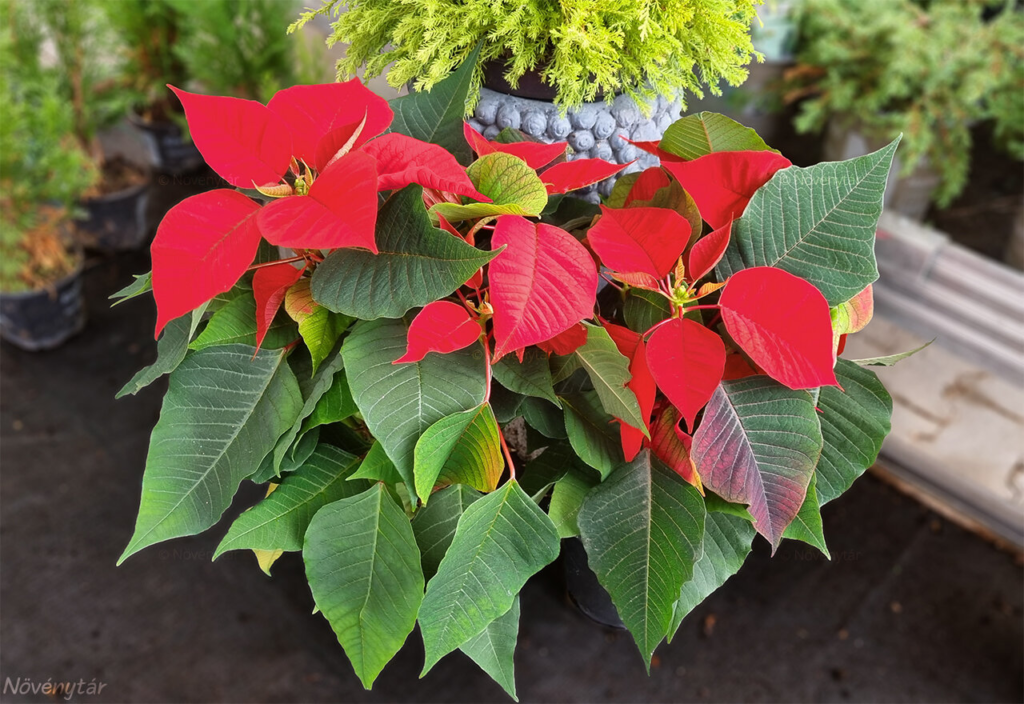
The colorful parts of the poinsettia are not flowers, as many people believe. They are actually bracts, which are modified leaves. The real flowers are small, yellow, and located at the center of the bracts. Understanding this structure helps you provide better poinsettia care, especially when it comes to light and pruning.
Poinsettia Care Basics for Long-Lasting Plants
Proper poinsettia care starts with mastering a few basic requirements. These plants are not difficult to maintain, but they do need consistent conditions to stay healthy.
The key poinsettia care essentials include:
- Adequate light
- Proper watering
- Stable temperature
- Suitable humidity
- Well-draining soil
When these factors are balanced, poinsettias can live for years instead of being discarded after the holiday season.
Light Requirements in Poinsettia Care
Light plays a crucial role in poinsettia care. Poinsettias thrive in bright, indirect sunlight. Place your plant near a sunny window where it can receive at least 6 hours of indirect light each day.
Avoid direct sunlight, as it can scorch the leaves and cause discoloration. On the other hand, low light conditions can result in leaf drop and weak growth. Proper light exposure is also essential if you want your poinsettia to rebloom in the future.
Tip: East- or west-facing windows are usually ideal for poinsettia care indoors.
Watering Schedule for Proper Poinsettia Care
One of the most common mistakes in poinsettia care is improper watering. Poinsettias prefer evenly moist soil, but they do not tolerate waterlogged conditions.
Water your poinsettia when the top inch of soil feels dry to the touch. Make sure excess water drains out of the pot completely. Standing water can cause root rot, which is one of the fastest ways to kill a poinsettia plant.
At the same time, underwatering can lead to wilting and leaf drop. Consistency is the key to successful poinsettia care when it comes to watering.
Temperature and Humidity in Poinsettia Care
Since poinsettias are tropical plants, they prefer warm and stable temperatures. Ideal temperatures for poinsettia care range between 60°F and 70°F (15°C to 21°C).
Avoid placing poinsettias near:
- Cold drafts
- Open windows in winter
- Heating vents
- Fireplaces
Sudden temperature changes can stress the plant and cause leaves to fall. Moderate humidity levels are also important. Dry indoor air can damage the leaves, so light misting or placing a humidity tray nearby can improve poinsettia care results.
Choosing the Right Soil for Poinsettia Care
Soil quality directly affects poinsettia care success. Poinsettias require well-draining soil that retains some moisture without becoming soggy. A high-quality potting mix designed for houseplants usually works well.
Avoid using heavy garden soil, as it can compact easily and restrict root growth. Good drainage is essential to prevent fungal diseases and root rot. Always choose pots with drainage holes as part of proper poinsettia care.
Fertilizing Guidelines for Effective Poinsettia Care
Fertilization is an important part of long-term poinsettia care, especially after the blooming season ends. During active growth periods (spring and summer), use a balanced, water-soluble fertilizer every 4 to 6 weeks.
Do not fertilize while the plant is blooming, as this can shorten the lifespan of the colorful bracts. Resume feeding once new green growth appears. Over-fertilization can harm the roots, so always follow recommended dilution instructions for safe poinsettia care.
Pruning Techniques in Poinsettia Care
Pruning is often overlooked but plays a major role in poinsettia care. After the bracts fade and fall off, usually in late winter or early spring, prune the plant back to about 6 inches in height.
This encourages bushier growth and prepares the plant for the next blooming cycle. Regular pruning also helps maintain shape and prevents the plant from becoming leggy. Clean, sharp pruning tools are essential for healthy poinsettia care.
Repotting as Part of Advanced Poinsettia Care
Repotting is not always necessary, but it can improve poinsettia-care if the plant becomes root-bound. The best time to repot is in spring, after pruning and before active growth begins.
Choose a pot that is only slightly larger than the current one. Too much extra space can lead to excess moisture retention. Fresh soil provides nutrients and improves drainage, both of which are critical for long-term poinsettia care.
Encouraging Reblooming with Proper Poinsettia_Care
One of the most rewarding aspects of poinsettia-care is getting the plant to rebloom. This process requires patience and strict light control.
Starting in early fall, poinsettias need 14 hours of complete darkness each day for about 8 to 10 weeks. During the remaining hours, provide bright indirect light. This light cycle triggers the color change in the bracts.
Consistent darkness is crucial. Even brief exposure to light at night can interrupt the reblooming process. With dedication, proper poinsettia-care can result in stunning blooms year after year.
Common Problems in Poinsettia_Care and Their Solutions
Despite your best efforts, poinsettia-care challenges can still arise. Understanding common problems helps you address them quickly.
Leaf Drop:
Often caused by temperature stress, overwatering, or sudden environmental changes.
Yellow Leaves:
Usually a sign of overwatering or poor drainage.
Wilting:
Can result from both underwatering and root rot. Check soil moisture carefully.
Pests:
Spider mites, whiteflies, and mealybugs may occasionally appear. Regular inspection and gentle treatment with insecticidal soap support effective poinsettia-care.
Indoor vs Outdoor Poinsettia_Care
Poinsettias are mostly grown indoors, especially in colder climates. However, in warm regions, they can be grown outdoors as ornamental shrubs.
Outdoor poinsettia-care requires:
- Frost-free conditions
- Partial shade
- Well-draining soil
Indoor poinsettia-care focuses more on temperature control, humidity, and light management. Understanding where your plant grows best will improve overall results.
Seasonal Poinsettia_Care Tips
Poinsettia-care needs change slightly with the seasons.
Winter:
Maintain warmth, avoid drafts, and limit watering.
Spring:
Prune, repot if needed, and begin fertilizing.
Summer:
Encourage growth with regular watering and feeding.
Fall:
Begin controlled light exposure to trigger reblooming.
Adjusting your poinsettia-care routine seasonally ensures healthier plants throughout the year.
Benefits of Proper Poinsettia_Care
When done correctly, poinsettia-care offers several benefits:
- Long-lasting decorative appeal
- Year-round greenery
- Cost savings by reusing plants
- Satisfaction of successful plant care
With patience and consistency, poinsettias can become a permanent part of your indoor plant collection rather than a temporary decoration.
