



Burmese food is one of Southeast Asia’s most underrated cuisines, offering a unique balance of bold flavors, fresh ingredients, and centuries-old culinary traditions. Influenced by neighboring countries like Thailand, India, China, and Bangladesh, Burmese food has developed its own distinct identity that reflects Myanmar’s geography, culture, and history.
From fermented tea leaves to comforting noodle soups, Burmese food is deeply rooted in community, seasonality, and balance. This guide explores everything you need to know about Burmese food, including its history, ingredients, popular dishes, regional styles, and why it’s gaining global attention.
What Makes Burmese-Food Unique?
Burmese-food stands apart from other Asian cuisines because of its heavy use of fermentation, umami-rich ingredients, and contrasting textures. Unlike Thai cuisine, which leans heavily on sweetness, or Indian food with its complex spice blends, Burmese food focuses on harmony between salty, sour, bitter, and savory flavors.
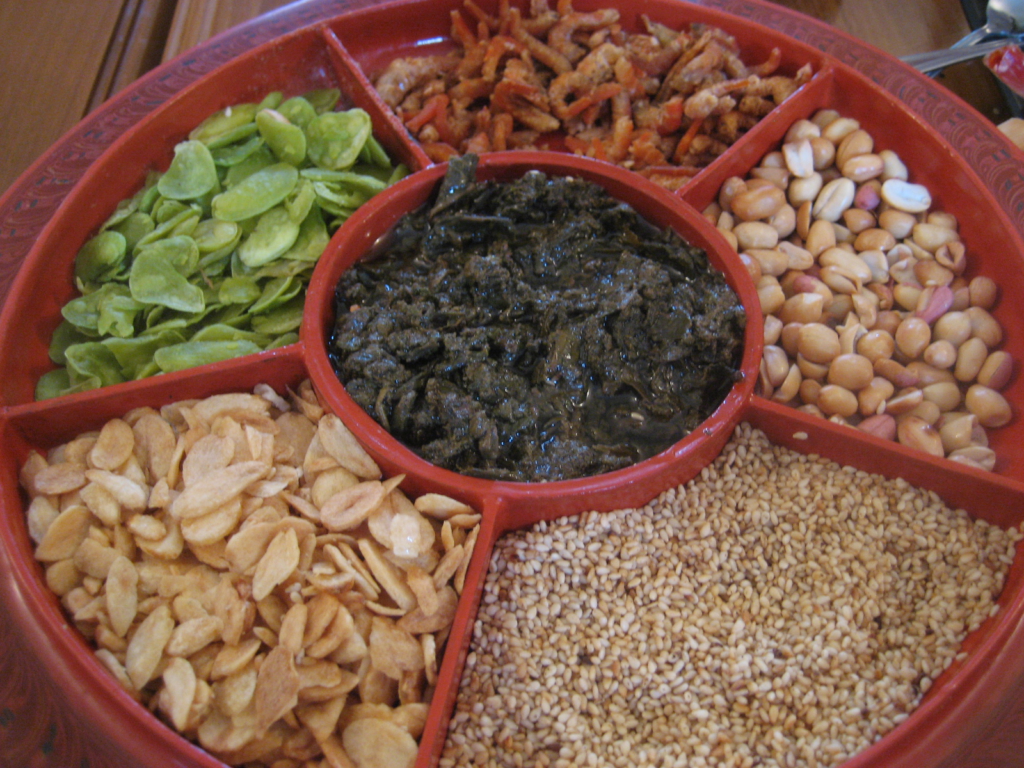
Another defining characteristic of Burmese food is its communal eating style. Meals are often served with multiple small dishes placed in the center of the table, allowing everyone to share and experience a variety of flavors at once.
The History and Cultural Roots of Burmese_Food
The evolution of Burmese food is closely tied to Myanmar’s history as a crossroads of trade and migration. Over centuries, merchants, monks, and settlers brought cooking techniques and ingredients that shaped the cuisine.
- Indian influence introduced curries, flatbreads, and lentils
- Chinese influence added noodles, stir-frying, and soy-based flavors
- Thai influence contributed herbs and light soups
- Indigenous traditions preserved fermentation and rice-based meals
Despite these influences, Burmese food remains distinctly local, shaped by Buddhist traditions, agricultural practices, and regional diversity.
Core Ingredients Used in Burmese_+Food
Burmese food relies on a small but powerful set of ingredients that create its signature taste.
Rice as the Foundation of Burmese_Food
Rice is the backbone of Burmese-food, served at nearly every meal. Steamed white rice is common, but sticky rice and rice noodles are also widely used. Many Burmese dishes revolve around rice paired with curries, salads, and soups.
Fermented Ingredients in Burmese-Food
Fermentation plays a major role in Burmese-food. Popular fermented ingredients include:
- Ngapi (fermented fish or shrimp paste)
- Fermented tea leaves
- Pickled vegetables
These ingredients add depth, saltiness, and complexity that define Burmese-food flavors.
Herbs and Aromatics in Burmese_Food
Fresh garlic, ginger, turmeric, lemongrass, and onions are essential in Burmese-food. These aromatics create fragrant bases for soups, salads, and curries without overpowering the dish.
Popular Traditional Burmese_Food Dishes
Burmese food offers a wide variety of dishes, from hearty breakfasts to comforting dinners.
Mohinga: Myanmar’s National Burmese_Food Dish
Mohinga is widely considered the national dish of Myanmar and a cornerstone of Burmese-food culture. This rice noodle soup is made with fish broth, lemongrass, banana stem, and spices. It is commonly eaten for breakfast but enjoyed throughout the day.
Mohinga perfectly represents Burmese-food by balancing savory, herbal, and slightly tangy flavors.
Laphet Thoke: Iconic Burmese-Food with Fermented Tea Leaves
Laphet Thoke is one of the most unique Burmese food dishes. It features fermented tea leaves mixed with crunchy nuts, seeds, garlic, and chili. Traditionally served at social gatherings, this dish symbolizes hospitality and community in Burmese culture.
Shan Noodles in Burmese_Food Culture
Shan noodles come from Myanmar’s Shan State and are a beloved Burmese-food staple. These rice noodles are served with a light tomato-based sauce, minced meat, garlic oil, and pickled vegetables. The dish highlights the regional diversity within Burmese-food.
Burmese Curries and Side Dishes
Unlike Indian curries, Burmese-food curries are oil-based rather than cream-based. They are mild yet flavorful, often served with a variety of side dishes such as:
- Pickled vegetables
- Fresh herbs
- Soups
- Dipping sauces
This approach allows diners to customize each bite.
Street Food and Everyday Burmese_Food Experiences
Street food plays an essential role in Burmese-food culture. Vendors sell freshly prepared snacks and meals throughout cities and towns.
Popular Burmese-food street snacks include:
- Fried tofu
- Stuffed flatbreads
- Rice flour pancakes
- Noodle salads
Street food reflects the accessibility and creativity of Burmese-food, making it an everyday pleasure for locals.
Regional Variations of Burmese_Food
Myanmar’s diverse geography has given rise to regional Burmese-food styles.
Coastal Burmese_Food Dishes
Coastal regions focus on seafood-based Burmese-food, using fresh fish, shrimp, and crab. These dishes are lighter and often feature tangy flavors.
Northern Burmese_Food Traditions
Northern Burmese food shows stronger Chinese influence, with wheat noodles, dumplings, and stir-fried dishes.
Shan and Highland Burmese_Food Styles
Highland regions favor simple, fresh Burmese food made with herbs, tomatoes, and fermented soybeans, offering lighter and refreshing meals.
Burmese_Food and Religious Influence
Buddhism significantly shapes Burmese-food traditions. Many people observe vegetarian days, especially on full moon days, leading to a wide variety of plant-based Burmese food dishes.
Vegetarian Burmese food often includes:
- Lentil fritters
- Vegetable curries
- Tofu-based dishes
This makes Burmese food appealing to vegetarian and vegan diners.
Health Benefits of Burmese Food
Burmese food can be surprisingly healthy when eaten traditionally.
Nutritional Advantages of Burmese Food
- Heavy use of vegetables and herbs
- Fermented ingredients support digestion
- Less reliance on sugar compared to other cuisines
- Balanced portions and communal eating
Because Burmese ood avoids excessive sweetness and processed ingredients, it aligns well with balanced diets.
Burmese_Food vs Other Southeast Asian Cuisines
While Burmese_food shares similarities with Thai and Vietnamese cuisines, it differs in several key ways:
- Less sweet than Thai food
- More fermented elements than Vietnamese food
- Fewer spices than Indian-influenced dishes
These differences make Burmese_food a unique culinary experience.
The Global Rise of Burmese_Food
In recent years, Burmese-food has started gaining international recognition. Burmese restaurants are opening in major cities, and food lovers are discovering its bold yet comforting flavors.
Food bloggers and chefs appreciate Burmese-food for its authenticity and untapped potential, making it one of the next big trends in global cuisine.
How to Experience Burmese_Food Outside Myanmar
If you want to explore Burmese_food without traveling, you can:
- Visit Burmese restaurants in major cities
- Try homemade Burmese-food recipes
- Explore Southeast Asian grocery stores for ingredients
Popular Burmese food dishes like mohinga and tea leaf salad are increasingly available worldwide.
Cooking Burmese_Food at Home
Cooking Burmese-food at home is easier than it may seem. Many recipes use simple techniques and accessible ingredients.
Tips for beginners:
- Start with noodle dishes
- Use substitutes for hard-to-find ingredients
- Focus on balance, not heat
Homemade Burmese food allows you to appreciate its depth and simplicity.
Why Burmese+_Food Deserves More Attention
Burmese food offers a rare combination of tradition, flavor, and cultural meaning. It reflects centuries of history while remaining approachable and nourishing.
Whether you enjoy fermented flavors, comforting soups, or vibrant salads, Burmese food has something to offer every palate.
