


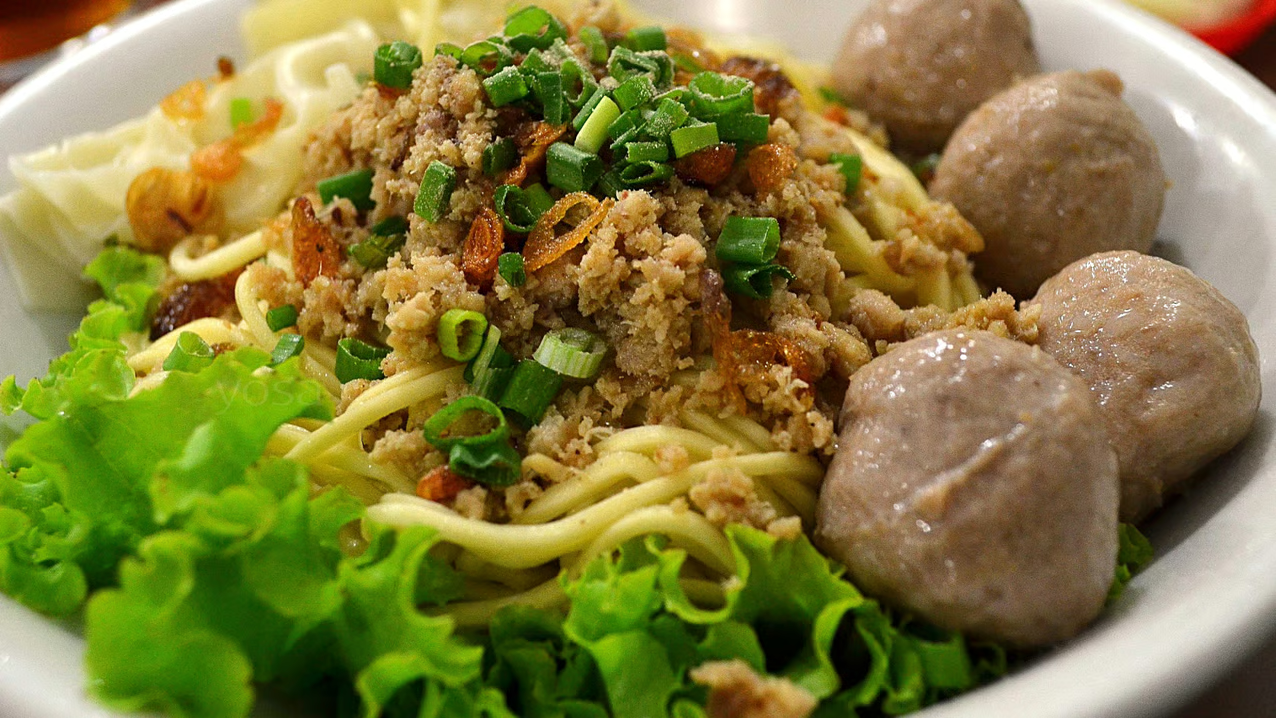
Indonesian food is one of the most diverse and flavorful cuisines in the world. With more than 17,000 islands, Indonesia offers a rich culinary heritage shaped by geography, history, culture, and trade. From spicy street food to elaborate ceremonial dishes, Indonesian cuisine reflects centuries of tradition and regional creativity.
This detailed guide explores Indonesian food, its origins, popular dishes, ingredients, cooking techniques, and its growing global popularity. Whether you are a food lover, traveler, or content creator, this article will help you understand why Indonesian food is so unique and beloved worldwide.
What Makes Indonesian_Food Unique?
Indonesian food stands out because of its complex flavors, bold spices, and deep cultural roots. Unlike many cuisines that rely on a few staple spices, Indonesian cooking uses a wide variety of herbs, roots, and seasonings.
Key elements that make Indonesian-food unique include:
- Extensive use of spices like turmeric, coriander, galangal, and lemongrass
- Balance of sweet, spicy, sour, and savory flavors
- Influence from Chinese, Indian, Middle Eastern, and European cuisines
- Regional diversity, where each island has its own food identity
Indonesian cuisine is not just about taste; it tells stories of migration, trade, religion, and local customs.
History and Cultural Influence on Indonesian_Food
The history of Indonesian food is closely tied to ancient trade routes. Indonesia was once known as the “Spice Islands,” attracting traders from India, China, Arabia, and Europe.
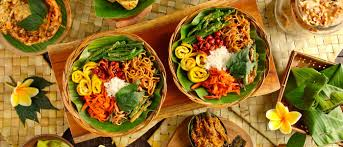
- Indian influence introduced curries and spice blends
- Chinese traders brought noodles, soy sauce, and stir-frying techniques
- Middle Eastern cuisine influenced meat preparation and halal practices
- Dutch colonial rule added baking methods and new ingredients
Over time, Indonesians adapted these influences, creating a cuisine that feels both global and deeply local.
Regional Diversity in Indonesian_Food
Indonesian_Food from Java
Java is the most populated island and a major culinary center. Javanese food is known for its slightly sweet flavor profile, often using palm sugar.
Popular Javanese dishes include:
- Nasi Goreng
- Gudeg
- Soto Ayam
Indonesian Food from Sumatra
Sumatran cuisine is famous for bold spices and rich coconut-based dishes. The food here tends to be spicier than in other regions.
Notable dishes:
- Rendang
- Gulai
- Sambal Balado
Indonesian_Food from Bali
Balinese food is heavily influenced by local Hindu traditions. It often uses aromatic spice pastes and roasted meats.
Famous Balinese dishes:
- Babi Guling
- Lawar
- Ayam Betutu
Eastern Indonesian Food
In eastern Indonesia, such as Papua and Maluku, food relies more on seafood, sago, and simple cooking methods due to geography.
Staple Ingredients Used in Indonesian_Food
Indonesian food uses a wide range of ingredients, many of which are essential to its signature flavors.
Common staples include:
- Rice (nasi)
- Coconut milk
- Chili peppers
- Garlic and shallots
- Ginger, galangal, and turmeric
- Lemongrass
- Shrimp paste (terasi)
These ingredients form the foundation of many traditional Indonesian recipes.
Popular Indonesian_Food Dishes Loved Worldwide
Nasi Goreng – Indonesia’s National Dish
Nasi Goreng is arguably the most famous Indonesianood dish. It is fried rice cooked with sweet soy sauce, garlic, shallots, eggs, and spices.
It is often topped with:
- Fried egg
- Chicken or shrimp
- Crispy shallots
Rendang – A Global Favorite Indonesian_Food
Rendang is a slow-cooked beef dish from West Sumatra. It is rich, tender, and packed with spices.
Rendang has been ranked multiple times as one of the best foods in the world due to its deep flavor and long cooking process.
Satay – Street-Style Indonesian_Food
Satay consists of skewered meat grilled over charcoal and served with peanut sauce.
Common variations include:
- Chicken satay
- Beef satay
- Goat satay
Soto – Traditional Indonesian Soup
Soto is a comforting soup found across Indonesia, with countless regional variations. It usually contains broth, meat, noodles, and spices.
Indonesian Street Food Culture
Indonesian food culture is incomplete without street food. Street vendors, known as warung or kaki lima, serve affordable and flavorful meals daily.
Popular street foods include:
- Bakso (meatball soup)
- Martabak
- Gorengan (fried snacks)
Street food is a major part of daily life and social interaction in Indonesia.
Indonesian_Food and Spices: The Heart of the Cuisine
Spices are the soul of Indonesian food. Many dishes begin with a spice paste called bumbu, made by grinding fresh ingredients.
Common spices used:
- Coriander
- Cumin
- Candlenuts
- Nutmeg
The careful balance of spices is what gives Indonesian cuisine its depth and aroma.
Traditional Cooking Methods in Indonesian_Food
Indonesian food uses various traditional cooking techniques passed down through generations.
These include:
- Slow simmering
- Grilling over charcoal
- Frying in coconut oil
- Steaming in banana leaves
Each method enhances the flavor and texture of the dish.
Indonesian_Food and Religion
Religion plays an important role in shaping Indonesian food. As the world’s largest Muslim-majority country, halal food practices are widely followed.
However:
- Pork dishes are common in Bali
- Seafood is widely consumed across the islands
This diversity allows Indonesian food to cater to many dietary preferences.
Vegetarian and Vegan Options in Indonesian_Food
Despite heavy use of meat, Indonesian food offers many plant-based options.
Popular vegetarian dishes include:
- Gado-Gado
- Tempeh dishes
- Sayur Lodeh
Tempeh, a fermented soybean product, originated in Indonesia and is now popular worldwide.
Health Benefits of Indonesian Food
When prepared traditionally, Indonesian food can be nutritious and balanced.
Health benefits include:
- Use of fresh herbs and spices
- Natural fermentation (tempeh)
- Balanced meals with rice, vegetables, and protein
However, moderation is important due to fried foods and rich sauces.
Indonesian Food in Global Cuisine
Indonesian food is gaining international recognition. Restaurants around the world now serve Indonesian dishes, and foods like rendang and nasi goreng are featured on global menus.
Factors behind global popularity:
- Unique flavors
- Growing food tourism
- Cultural exposure through travel and media
Indonesian Food for Travelers
Travelers visiting Indonesia often fall in love with the food. Each region offers a new taste experience.
Tips for enjoying Indonesian food while traveling:
- Start with mild dishes
- Try local specialties
- Eat at clean, busy stalls
Food is one of the most memorable parts of visiting Indonesia.
Modern Trends in Indonesian Food
Modern chefs are reinventing Indonesian food by blending traditional recipes with contemporary presentation.
Current trends include:
- Fusion cuisine
- Health-focused Indonesian meals
- International Indonesian food festivals
These trends help preserve tradition while attracting new audiences.
Why Indonesian Food Deserves Global Recognition
Indonesian food represents history, culture, and creativity. Its flavors are bold, its techniques are traditional, and its variety is unmatched.
Reasons Indonesian food stands out:
- Rich spice heritage
- Regional diversity
- Cultural significance
As global interest grows, Indonesian cuisine continues to shine on the world stage.
