


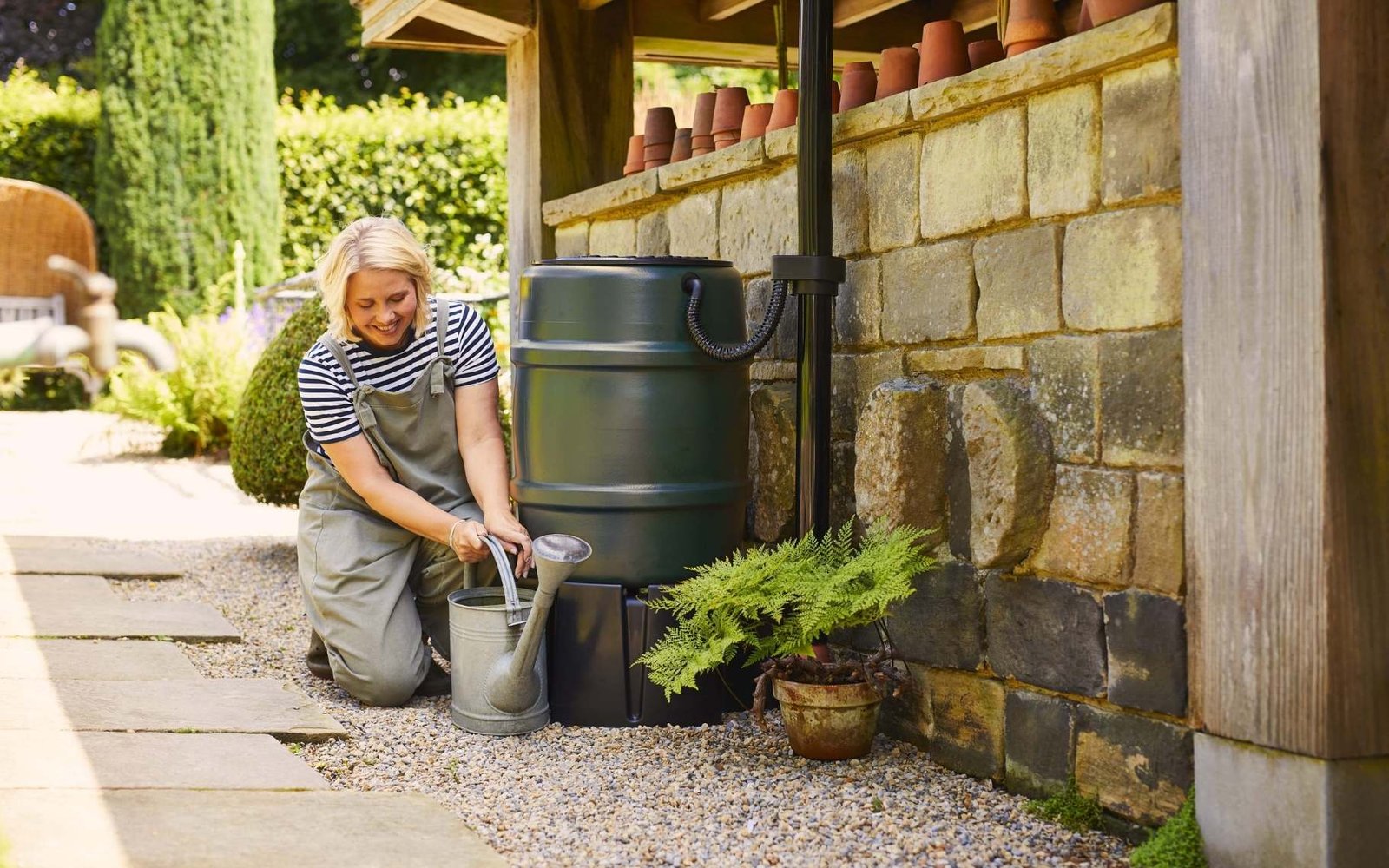
In today’s world, conserving water has become more important than ever. One practical and eco-friendly way to do this is by using a water butt. A water butt is a large container designed to collect and store rainwater from rooftops via gutters. This stored water can then be used for garden irrigation, cleaning, or even in some household applications, reducing dependence on mains water and lowering your water bills.
In this comprehensive guide, we’ll explore everything you need to know about water butts, including types, installation tips, benefits, maintenance, and environmental impact. Whether you are a beginner gardener or an environmentally-conscious homeowner, understanding the benefits and practicalities of a water butt can help you make a significant contribution to water conservation.
What is a Water_Butt?
A water butt is a simple yet highly effective tool for rainwater harvesting. Typically made from durable plastic, metal, or wood, water butts range in capacity from 50 liters to over 1000 liters. They are usually placed under downspouts from roof gutters to catch rainwater as it falls.
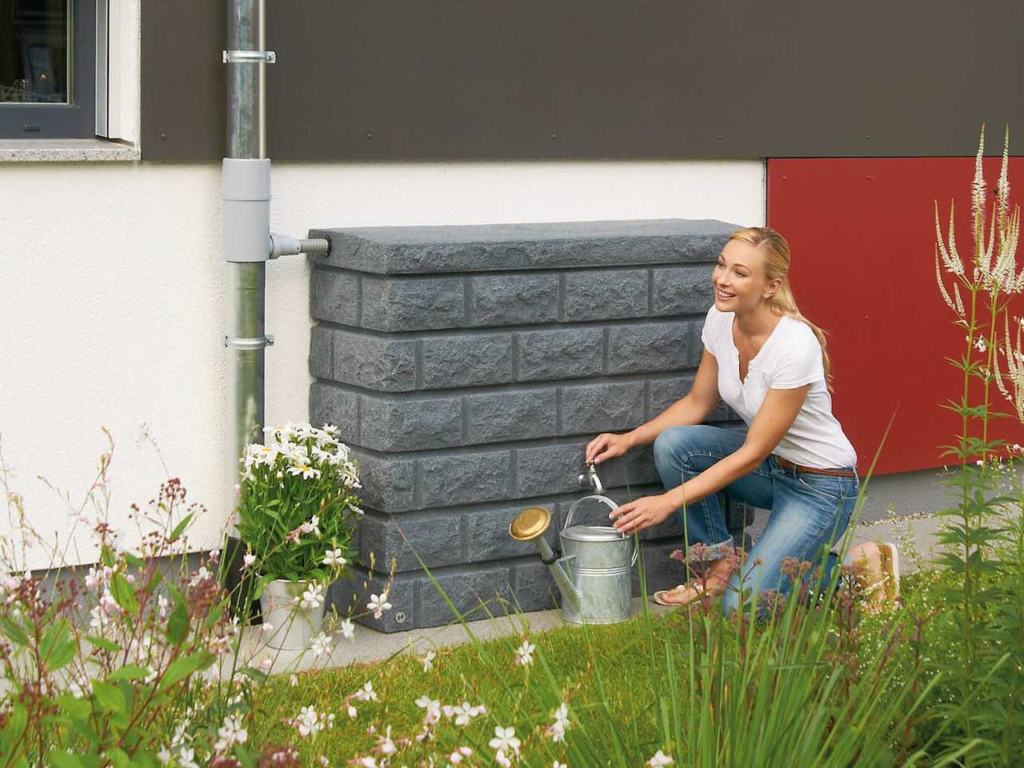
The concept is straightforward: rainwater that would otherwise flow away is captured and stored for later use. Some advanced water butts even come with taps and filtration systems for easier access and cleaner water.
Types of Water_Butts
Choosing the right water butt depends on your needs, available space, and budget. Here are some common types:
1. Plastic Water_Butts
Plastic water butts are lightweight, durable, and resistant to weather conditions. They are often the most affordable option and are available in a variety of sizes and colors.
2. Wooden Water Butts
Wooden water butts offer an aesthetic appeal, blending naturally into garden settings. They are usually made from treated wood to withstand moisture and prevent rot.
3. Metal Water Butts
Metal water butts, often made from galvanized steel or aluminum, are extremely sturdy and long-lasting. They require occasional maintenance to prevent rust but are ideal for larger capacities.
4. Slim or Compact Water_Butts
Slim water butts are designed for narrow spaces, making them suitable for small gardens, balconies, or patios. Despite their size, they can still provide a significant amount of stored water.
5. Water Butt with Filter
Some models include built-in filters to remove debris such as leaves, twigs, and insects. This ensures cleaner water for gardening or household use.
Benefits of Using a Water_Butt
Using a water butt provides multiple benefits for homeowners, gardeners, and the environment.
1. Reduces Water Bills
By collecting rainwater, you can significantly reduce your reliance on mains water, leading to noticeable savings on your water bill.
2. Conserves Water
Rainwater harvesting through a water butt helps conserve water, particularly important in areas prone to droughts or water restrictions.
3. Environmentally Friendly
Using rainwater reduces the demand on municipal water supply systems and helps decrease the energy used in water treatment and distribution.
4. Healthier for Plants
Rainwater is naturally soft and free of chemicals like chlorine and fluoride, making it ideal for watering plants and gardens.
5. Reduces Flood Risk
Collecting rainwater in a water butt helps manage stormwater runoff, which can reduce the risk of local flooding and soil erosion.
How to Choose the Right Water_Butt
Selecting the right water butt involves considering your water needs, garden size, and location. Here are key factors to keep in mind:
1. Capacity
The capacity of your water butt should align with the amount of rainfall in your area and your water consumption needs. A larger butt stores more water but requires more space.
2. Material
Choose a material that balances durability, aesthetics, and maintenance. Plastic is low-maintenance, wood looks natural, and metal is long-lasting.
3. Space Availability
Measure the area where you plan to place your water-butt. Slim or corner models are ideal for tight spaces.
4. Accessibility
Consider models with taps or spigots for easy water access. Some advanced systems also allow connection to hoses or irrigation systems.
5. Filtration Options
If you intend to use rainwater for sensitive plants or household purposes, consider a water butt with a built-in filter.
How to Install a Water_Butt
Installing a water-butt is generally straightforward but requires careful planning for maximum efficiency.
Step 1: Select the Location
Choose a location near a downspout for easy water collection. Ensure the ground is level and stable.
Step 2: Prepare the Base
A solid base is crucial for stability. Use paving stones, a concrete slab, or a sturdy wooden platform to support the water-butt’s weight when full.
Step 3: Connect to the Downspout
Use a diverter kit to connect the water-butt to your gutter downspout. This allows rainwater to flow directly into the butt while preventing overflow.
Step 4: Add a Tap
Attach a tap or spigot at the base for convenient water access. Make sure it is securely sealed to prevent leaks.
Step 5: Cover the Butt
To prevent mosquito breeding and debris accumulation, cover the water-butt with a lid or mesh.
Maintenance Tips for a Water_Butt
Proper maintenance ensures your water butt remains effective and the water stays clean:
- Regular Cleaning – Clean the inside of the water-butt annually to prevent algae and sediment buildup.
- Check Filters – If your water-butt has a filter, clean it regularly to maintain water flow.
- Inspect for Damage – Check for cracks or leaks, particularly in plastic or wooden butts.
- Winter Care – In freezing temperatures, drain the water-butt to prevent damage from ice expansion.
- Prevent Stagnation – Use the water regularly to avoid stagnant water, which can attract mosquitoes.
Water_Butt Accessories
Several accessories can enhance the functionality of your water-butt:
- Diverter Kits: Direct water from your gutter into the butt and manage overflow.
- Hose Attachments: Connect your butt to garden hoses for easy watering.
- Water Butt Stands: Elevate the butt to increase water pressure for taps or gravity-fed irrigation.
- Leaf Screens: Prevent leaves and debris from entering the water butt.
Environmental Impact of Using a Water_Butt
Implementing a water-butt in your garden has significant environmental benefits:
- Reduces the energy used in municipal water supply and treatment.
- Conserves fresh water in areas facing water scarcity.
- Decreases stormwater runoff and soil erosion.
- Supports sustainable gardening practices by using natural resources efficiently.
Common Myths About Water_Butts
Despite their benefits, there are misconceptions about water-butts:
- “Water butts breed mosquitoes” – Properly covered and maintained water butts prevent mosquito breeding.
- “Rainwater isn’t clean” – While rainwater may contain some debris, filtration systems make it safe for gardening and general household use.
- “Water butts are difficult to maintain” – With minimal maintenance, a water-butt can last for years with little effort.
Creative Uses for a Water_Butt
A water-butt is more versatile than just storing rainwater:
- Watering your garden, lawn, or potted plants.
- Washing outdoor furniture, garden tools, or vehicles.
- Supplementing water for composting or DIY projects.
- Connecting to drip irrigation systems for efficient plant watering.
