


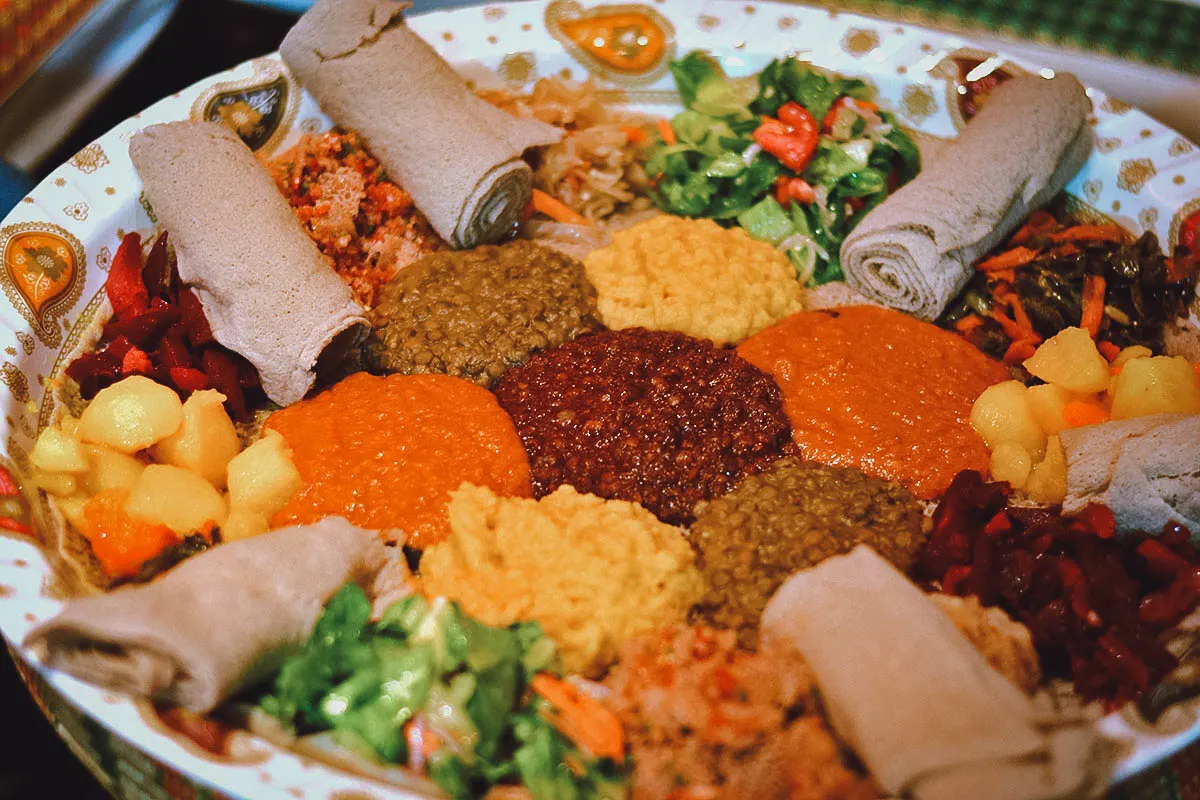
Ethiopian cuisine is one of the most unique and flavorful food traditions in the world. Known for its bold spices, slow-cooked stews, and communal dining style, Ethiopian food tells a story of culture, history, and hospitality. In recent years, Ethiopian food recipes have gained global popularity as food lovers search for authentic, plant-based, and spice-rich meals.
This in-depth guide explores traditional Ethiopian dishes, essential ingredients, cooking techniques, and popular Ethiopian food recipes you can prepare at home. Whether you are a beginner or an experienced home cook, this article will help you understand and enjoy Ethiopian cuisine the right way.
What Makes Ethiopian Food Recipes Unique?
Ethiopian food recipes stand out because of their rich spices, slow cooking methods, and shared dining culture. Unlike many cuisines, Ethiopian meals are often eaten without utensils, using injera bread as both food and plate.

Key characteristics include:
- Deeply spiced stews known as wot
- Fermented flatbread called injera
- Strong use of spice blends like berbere
- Heavy emphasis on legumes and vegetables
- Long cooking times for enhanced flavor
These features make Ethiopian food recipes comforting, nutritious, and unforgettable.
The Cultural Importance of Ethiopian Food_Recipes
Food in Ethiopia is more than nourishment—it is a social experience. Families and guests gather around a large platter, sharing multiple dishes served on injera. This tradition symbolizes unity, respect, and hospitality.
Many Ethiopian food-recipes are linked to religious practices. During fasting periods, animal products are avoided, resulting in a wide variety of flavorful vegan dishes. This is why Ethiopian cuisine is highly appreciated by vegetarians and vegans worldwide.
Essential Ingredients Used in Ethiopian Food_Recipes
To cook authentic Ethiopian food=recipes, it’s important to understand the core ingredients that define the cuisine.
Berbere Spice Blend
Berbere is the heart of many Ethiopian dishes. It is a complex spice mix made from chili peppers, garlic, ginger, fenugreek, coriander, and other spices. Berbere adds heat, depth, and color to stews.
Injera Bread
Injera is a sour, spongy flatbread made from teff flour. It serves as a base, utensil, and side dish. Most Ethiopian food recipes are incomplete without injera.
Niter Kibbeh
Niter kibbeh is clarified butter infused with herbs and spices. It provides a rich aroma and flavor in many traditional Ethiopian recipes.
Legumes and Vegetables
Lentils, chickpeas, split peas, cabbage, potatoes, and carrots are commonly used, especially in plant-based Ethiopian food recipes.
Traditional Ethiopian Food_Recipes You Should Know
Doro Wat – Classic Ethiopian Chicken Stew
Doro Wat is one of the most famous Ethiopian food recipes. It is a spicy chicken stew cooked with berbere, onions, and niter kibbeh, often served with boiled eggs.
This dish is traditionally prepared for holidays and special occasions. Slow cooking allows the spices to deeply penetrate the meat, creating a rich and intense flavor.
Injera – The Foundation of Ethiopian Food Recipes
Injera is not just bread—it is the foundation of Ethiopian cuisine. Made by fermenting teff flour batter for several days, injera has a slightly sour taste and airy texture.
Most Ethiopian food recipes are served on top of injera, which absorbs the sauces and enhances the overall eating experience.
Misir Wot – Spiced Red Lentil Stew
Misir Wot is a popular vegan dish and a staple in Ethiopian food recipes. It consists of red lentils cooked with berbere, garlic, and onions.
This dish is high in protein, flavorful, and widely enjoyed during fasting periods.
Shiro – Chickpea Flour Stew
Shiro is a smooth, comforting stew made from chickpea or broad bean flour. It is one of the simplest yet most beloved Ethiopian food recipes.
Often cooked with onions, garlic, and spices, shiro is quick to prepare and perfect for everyday meals.
Vegetarian and Vegan Ethiopian Food Recipes
One of the strongest aspects of Ethiopian cuisine is its variety of plant-based dishes. Many Ethiopian food recipes are naturally vegan without sacrificing flavor.
Popular options include:
- Gomen – Collard greens sautéed with spices
- Atkilt Wot – Cabbage, carrot, and potato stew
- Kik Alicha – Mild yellow split pea stew
These dishes are often served together, creating a colorful and balanced meal.
Meat-Based Ethiopian Food Recipes
While vegetarian dishes are common, Ethiopian cuisine also features rich meat recipes.
Tibs – Sautéed Meat Dish
Tibs is made from beef or lamb sautéed with onions, garlic, and spices. It ranges from mild to spicy and is often served for celebrations.
Kitfo – Seasoned Raw or Lightly Cooked Beef
Kitfo is a traditional dish made from minced beef seasoned with spiced butter and chili powder. It is considered a delicacy and showcases Ethiopia’s bold culinary traditions.
Cooking Techniques in Ethiopian Food Recipes
Ethiopian food recipes rely heavily on patience and technique. Slow cooking is essential, especially for stews.
Slow Simmering
Onions are often cooked for a long time before adding other ingredients. This process creates a deep, caramelized base.
Layered Spicing
Spices are added gradually to build complexity rather than overwhelming the dish.
Fermentation
Injera fermentation adds a distinct tang and improves digestibility.
Health Benefits of Ethiopian Food Recipes
Ethiopian cuisine is not only flavorful but also nutritious.
Benefits include:
- High fiber from legumes and vegetables
- Protein-rich plant-based meals
- Gluten-free options using teff
- Anti-inflammatory spices
Because many Ethiopian food recipes are naturally vegan, they support heart health and digestion.
How to Make Ethiopian Food Recipes at Home
Cooking Ethiopian dishes at home is easier than it may seem.
Tips for beginners:
- Start with lentil-based recipes
- Use store-bought berbere if needed
- Cook onions slowly for best flavor
- Serve meals family-style for authenticity
With practice, Ethiopian food recipes become incredibly rewarding.
Common Mistakes to Avoid When Cooking Ethiopian Food Recipes
- Rushing the cooking process
- Using too much spice too quickly
- Skipping fermentation for injera
- Not balancing heat with richness
Avoiding these mistakes ensures better results and authentic taste.
Why Ethiopian Food Recipes Are Gaining Global Popularity
The global rise of Ethiopian cuisine is driven by:
- Increased interest in vegan food
- Unique flavors not found elsewhere
- Cultural dining experience
- Nutritional benefits
Restaurants and home cooks alike are embracing Ethiopian food recipes for their depth and versatility.
Ethiopian Food Recipes for Special Occasions
Certain dishes are reserved for holidays and celebrations:
- Doro Wat for festivals
- Kitfo for gatherings
- Large injera platters for family events
These meals strengthen social bonds and preserve tradition.
