


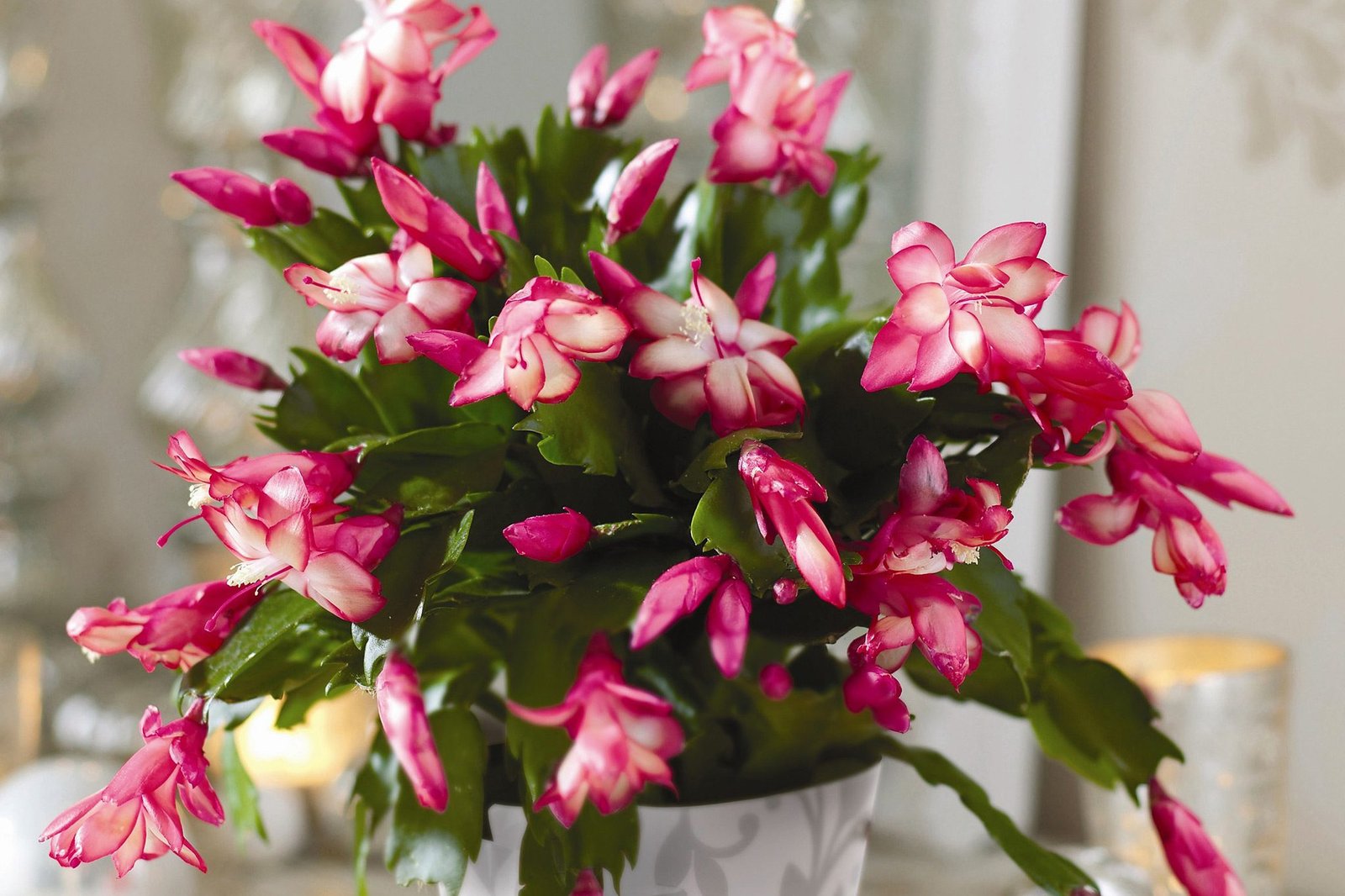
The Christmas cactus (Schlumbergera bridgesii) is a beloved houseplant known for its vibrant blooms during the winter holiday season. Unlike desert cacti, this plant originates from tropical rainforests, making its care requirements quite different. Proper christmas cactus care ensures lush foliage, strong roots, and spectacular flowers year after year.
In this detailed guide, you’ll learn everything about christmas cactus care—from watering and light requirements to blooming tips, repotting, and common problems. Whether you are a beginner or an experienced plant lover, this guide will help you master the art of growing a healthy Christmas cactus.
Understanding the Christmas Cactus Plant
Before diving into christmas cactus care, it’s important to understand the nature of this unique plant.
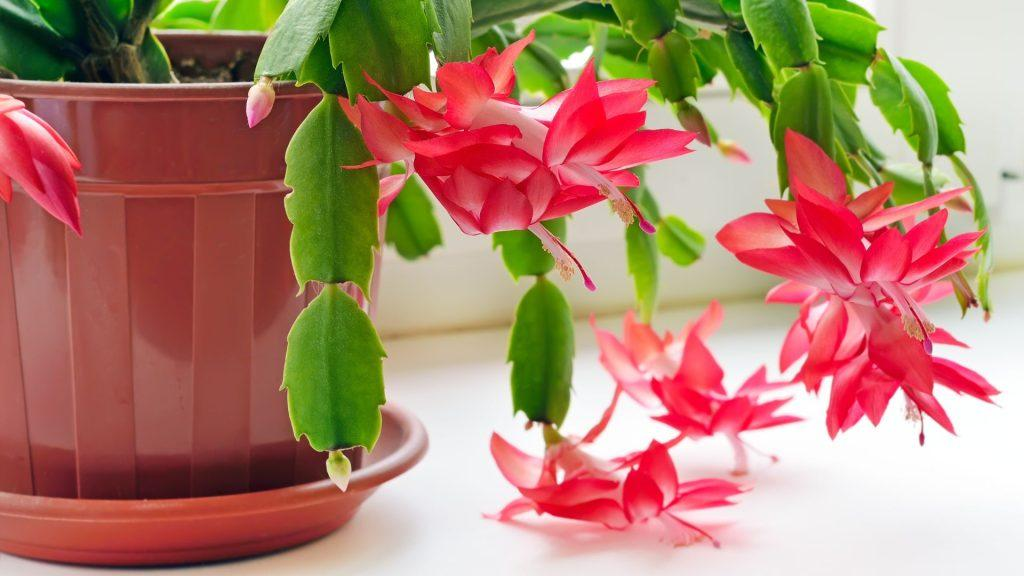
The Christmas cactus is a tropical epiphytic cactus, meaning it grows naturally on tree branches in humid forests. This explains why it prefers indirect light, higher humidity, and regular watering—conditions very different from desert cacti.
Christmas Cactus_Care Requirements Explained
Light Needs for Proper Christmas Cactus_Care
One of the most important aspects of christmas cactus care is lighting.
Christmas cacti thrive in bright, indirect sunlight. Direct sun exposure can scorch the leaves, while low light can reduce blooming.
Best light conditions:
- East or north-facing windows
- Bright filtered light
- Avoid harsh afternoon sun
Proper lighting encourages healthy growth and supports flower bud development.
Watering Schedule in Christmas_Cactus Care
Watering mistakes are a common reason Christmas cacti fail to thrive.
For effective christmas cactus care:
- Water when the top inch of soil feels dry
- Use room-temperature water
- Ensure excess water drains completely
Overwatering can cause root rot, while underwatering leads to wrinkled leaves and dropped buds.
Soil Selection for Christmas_Cactus Care
Soil choice plays a major role in christmas cactus care.
Use a well-draining potting mix, ideally:
- Cactus soil mixed with peat moss
- Orchid bark for added aeration
- Slightly acidic pH (5.5–6.5)
This soil structure mimics the plant’s natural rainforest environment.
Temperature and Humidity in Christmas Cactus_Care
Ideal Temperature for Christmas Cactus Care
Temperature directly affects growth and blooming.
Optimal temperature range:
- Day: 65–75°F (18–24°C)
- Night: 55–65°F (13–18°C)
Cooler nights in fall help trigger flower bud formation.
Humidity Requirements in Christmas Cactus_Care
Because this is a tropical plant, humidity is essential.
Improve humidity by:
- Placing a tray of water and pebbles under the pot
- Light misting during dry seasons
- Using a room humidifier
Balanced humidity supports healthy leaves and prevents stress.
Fertilizing Schedule for Christmas Cactus_Care
Fertilization strengthens the plant and encourages blooms.
Christmas cactus care fertilizing tips:
- Feed monthly during spring and summer
- Use a balanced liquid fertilizer (10-10-10)
- Stop fertilizing in late summer to prepare for blooming
Avoid over-fertilizing, which can damage roots and reduce flowering.
Pruning Techniques in Christmas Cactus Care
Pruning improves shape and promotes bushier growth.
How to prune correctly:
- Prune after flowering ends
- Twist off segments at joints
- Remove weak or leggy growth
Pruned segments can also be used for propagation.
Christmas Cactus Care for Blooming Success
How to Encourage Blooms Naturally
Blooming is the highlight of christmas cactus care.
To encourage flowers:
- Provide 12–14 hours of darkness daily for 6–8 weeks
- Reduce watering slightly in early fall
- Keep temperatures cooler at night
This dormancy period is essential for bud formation.
Why Your Christmas Cactus Is Not Blooming
Common blooming problems include:
- Too much light at night
- High temperatures
- Overwatering
- Excess fertilizer
Adjusting these factors usually restores blooming.
Repotting and Root Health in Christmas Cactus Care
Christmas cacti prefer being slightly root-bound, so frequent repotting isn’t necessary.
Repot every 2–3 years, using:
- A slightly larger pot
- Fresh, well-draining soil
- Gentle handling of roots
Repotting is best done in spring after flowering.
Propagation Methods in Christmas Cactus Care
Propagation is simple and rewarding.
Steps:
- Cut 2–3 healthy segments
- Let them dry for 24 hours
- Plant in moist, well-draining soil
- Keep in indirect light
Roots usually form within 3–4 weeks.
Common Problems in Christmas Cactus Care
Leaf Drop and Shriveling
Caused by:
- Sudden temperature changes
- Improper watering
- Low humidity
Maintain stable conditions for recovery.
Pests and Diseases in Christmas Cactus Care
Common pests include:
- Mealybugs
- Spider mites
- Aphids
Treat infestations with neem oil or insecticidal soap.
Root rot is usually due to overwatering and poor drainage.
Seasonal Christmas Cactus Care Guide
Spring and Summer Care
- Active growth phase
- Regular watering
- Monthly fertilization
- Bright indirect light
Fall and Winter Care
- Reduce watering
- Stop fertilizing
- Provide darkness for blooming
- Enjoy flowers during winter
Indoor Placement Tips for Christmas Cactus Care
Choose a location with:
- Stable temperatures
- No cold drafts or heat vents
- Bright but indirect sunlight
Avoid frequent movement, especially during bud formation.
Christmas Cactus Care Myths Explained
Myth: Christmas cactus needs desert-like care
Fact: It prefers moisture and humidity
Myth: It only blooms once
Fact: With proper care, it blooms yearly
Understanding facts improves long-term success.
Benefits of Proper Christmas Cactus Care
- Long lifespan (20–30 years or more)
- Stunning winter blooms
- Low maintenance plant
- Improves indoor aesthetics
With consistent christmas cactus care, this plant becomes a long-term companion.
