


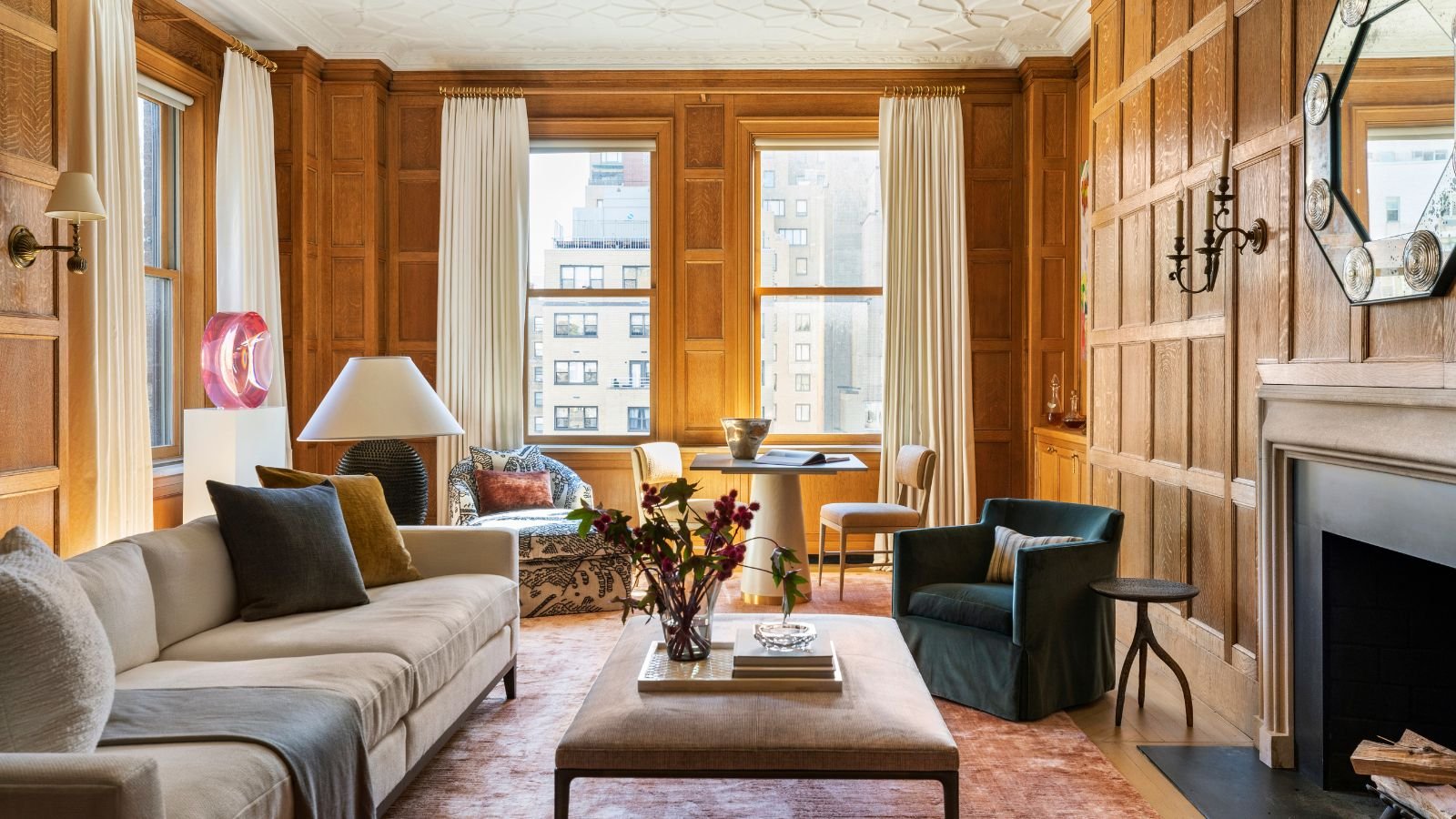
Interior design is no longer just about arranging furniture and choosing colors. With evolving lifestyles, technological innovations, and shifting aesthetics, interior design trends continuously change to reflect the modern homeowner’s taste and needs. Whether you are renovating a small apartment or redesigning a luxury villa, keeping up with the latest trends ensures your space feels fresh, functional, and stylish.
In this article, we explore the top interior design trends of 2026, practical tips to implement them, and how these trends can transform your living environment.
Understanding the Importance of Interior Design Trends
Staying updated with interior design trends is essential for several reasons. Firstly, design trends influence the market value of your home. Homes that incorporate current trends tend to sell faster and attract higher offers. Secondly, trends inspire creativity. They provide a fresh perspective on how to use space, color, and materials. Lastly, they reflect your personality. By embracing modern trends, you can create a home that not only looks beautiful but also resonates with your lifestyle.
Minimalism with a Personal Touch
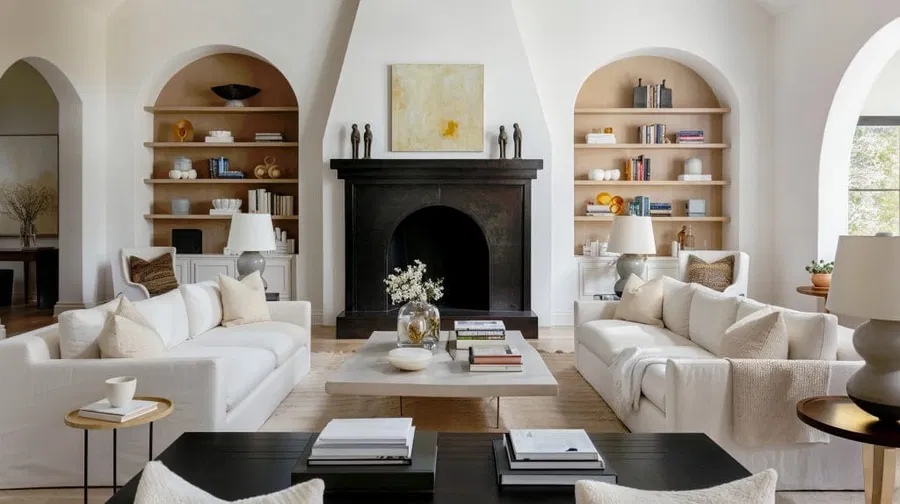
Minimalism has been a long-standing favorite in the design world, but the 2026 version of minimalism emphasizes personalization. Rather than stark, empty spaces, modern interior design trends lean towards simplicity with a warm, inviting vibe.
Key features of this trend include:
- Neutral color palettes with soft accents
- Functional furniture with clean lines
- Minimal decor but meaningful accessories
- Open layouts that enhance natural light
Minimalism encourages decluttering, allowing homeowners to focus on quality over quantity. You can personalize the minimalist space by integrating family heirlooms, artwork, or unique decor items that hold sentimental value.
Sustainable and Eco-Friendly Designs
One of the most significant shifts in interior design trends is the focus on sustainability. Eco-conscious design has moved from niche to mainstream. Homeowners are increasingly opting for materials and furniture that reduce environmental impact.
Popular sustainable choices include:
- Bamboo and reclaimed wood furniture
- Low-VOC paints and finishes
- Organic fabrics like cotton, hemp, and linen
- Energy-efficient lighting and appliances
Sustainable design not only benefits the environment but also enhances indoor air quality and promotes a healthier lifestyle.
Biophilic Interior Design
Bringing the outdoors inside is another influential interior design trend. Biophilic design focuses on incorporating natural elements like plants, water features, and natural light to create a calming environment.
To embrace biophilic design:
- Add indoor plants strategically around living spaces
- Install large windows or skylights to maximize sunlight
- Use natural materials like stone, wood, and clay
- Integrate water features or natural textures for a soothing ambiance
This approach has been linked to improved mental health, reduced stress, and increased productivity, making it perfect for both homes and workspaces.
Smart Home Integration
Technology is transforming the way we live, and interior design trends are adapting accordingly. Smart home devices have moved beyond convenience to become an integral part of modern design.
Examples of smart integrations include:
- Voice-activated lighting and climate control
- Smart kitchen appliances for efficiency
- Automated security systems for safety
- Wireless charging stations embedded into furniture
Incorporating smart technology not only improves functionality but also enhances the sleek, modern aesthetic of your home.
Bold Colors and Statement Walls
While minimalism is popular, 2026 also celebrates bold color choices as a major interior design trend. Statement walls in deep, vibrant shades can add personality and energy to any room.
Some tips to create impactful statement walls:
- Use textured wallpapers or 3D wall panels
- Incorporate accent colors that complement the overall palette
- Blend bold colors with neutral tones for balance
- Experiment with geometric patterns or artistic murals
Statement walls are particularly effective in living rooms, bedrooms, and home offices to create a focal point that draws attention.
Multifunctional Spaces
As more people work from home, multifunctional spaces are becoming essential. Modern interior design trends prioritize flexibility and adaptability. A single room can serve multiple purposes without feeling cluttered or cramped.
Ideas for multifunctional spaces:
- Foldable furniture that doubles as storage
- Sliding partitions to create separate zones
- Convertible desks for work and leisure
- Modular furniture that can adapt to changing needs
This approach maximizes space efficiency, especially in urban homes or apartments with limited square footage.
Textures and Layering
Texture plays a crucial role in creating depth and warmth in interior design. Among the latest interior design trends, layering different textures is a popular technique to make spaces feel cozy and dynamic.
Ways to incorporate texture:
- Mix fabrics like velvet, linen, and leather
- Use textured rugs, throws, and cushions
- Incorporate natural stone or wood finishes
- Experiment with layered lighting for visual interest
Layering textures ensures that a room does not feel flat or sterile, enhancing the overall sensory experience of your home.
Statement Lighting Fixtures
Lighting is not just functional—it’s a key design element. Unique lighting fixtures are one of the top interior design trends for 2026. From sculptural chandeliers to minimalist wall sconces, lighting can define the mood and style of any room.
Consider these lighting ideas:
- Oversized pendant lights for a bold impact
- LED strips hidden behind furniture for ambient lighting
- Smart lighting systems that adjust automatically
- Artistic lamps that double as decor pieces
The right lighting can make small spaces appear larger and transform ordinary rooms into elegant, inviting areas.
Mixed Metals and Finishes
Gone are the days of matching hardware and finishes. Contemporary interior design trends embrace a mix of metals and textures for a modern, eclectic look.
Ways to implement mixed metals:
- Combine brass, copper, and matte black fixtures
- Mix metal finishes in furniture legs and handles
- Layer metallic decor items for subtle glamour
- Pair metals with natural materials like wood and stone
This approach adds depth and sophistication to interiors while keeping them dynamic and interesting.
Vintage and Retro Revival
In 2026, vintage and retro elements are making a comeback as a major interior design trend. Designers are blending classic styles with modern aesthetics for a timeless look.
Ideas for incorporating vintage elements:
- Mid-century modern furniture pieces
- Retro lighting and mirrors
- Vintage-inspired wallpapers and textiles
- Antique decor items as statement pieces
By combining old and new, you create a space that feels nostalgic yet contemporary, offering both character and style.
Open Kitchens and Living Areas
The open-plan layout continues to dominate interior design trends. Integrating kitchens with dining and living areas encourages social interaction and creates a sense of spaciousness.
Tips for an effective open-plan design:
- Use area rugs to define spaces without walls
- Install kitchen islands that double as dining tables
- Opt for cohesive color palettes across spaces
- Maintain visual continuity with flooring and cabinetry
Open layouts are perfect for entertaining guests and fostering family interaction while maintaining a modern aesthetic.
Personalized Home Offices
With the rise of remote work, home offices have become an essential feature of contemporary interiors. Personalized workspaces are now a key interior design trend, combining style and productivity.
How to design a personalized home office:
- Choose ergonomic furniture for comfort
- Incorporate inspiring artwork and decor
- Maximize natural light with large windows
- Add greenery to boost creativity and reduce stress
A well-designed home office enhances efficiency while reflecting your personal style.
