


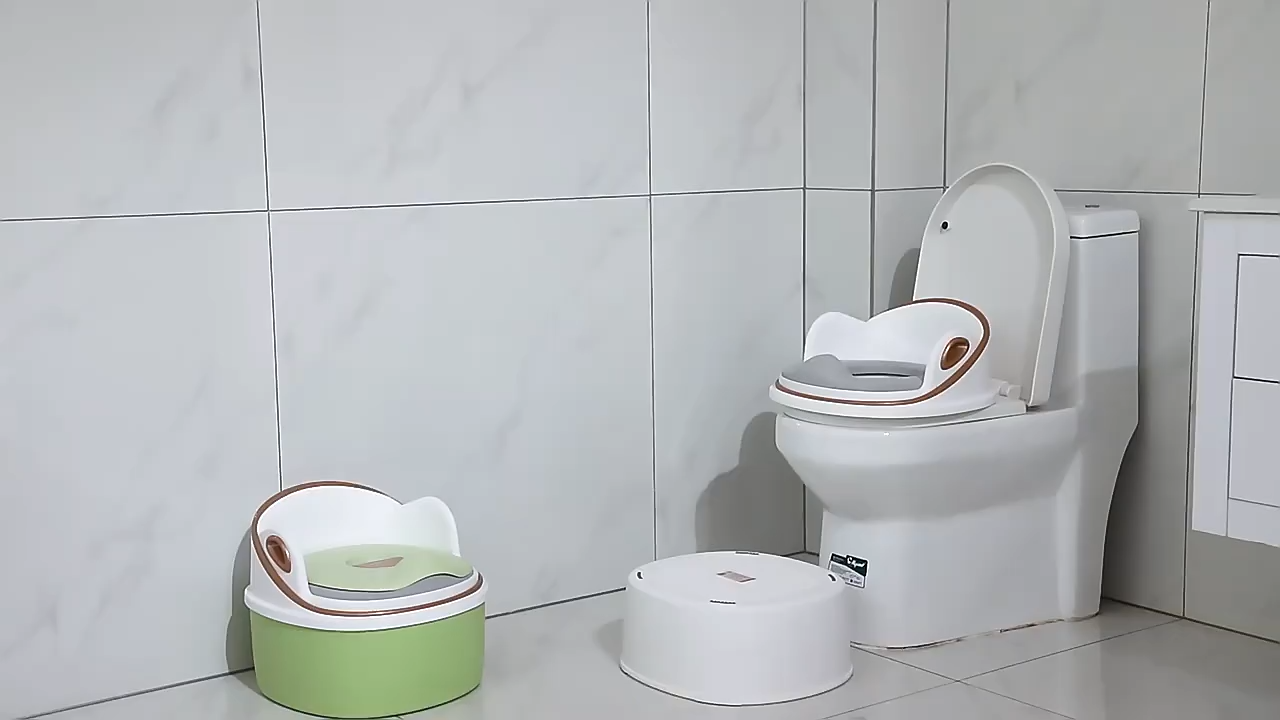
When upgrading a bathroom, most homeowners focus on tiles, vanities, and lighting. However, one small yet essential component often overlooked is the toilet seat. The right choice can significantly improve comfort, hygiene, durability, and even the overall aesthetic of your space.
In thisguide, you’ll learn everything you need to know about selecting the best toilet seat, including types, materials, sizes, features, installation tips, maintenance, and buying considerations. Whether you’re remodeling your bathroom or simply replacing an old seat, this guide will help you make an informed decision.
What Is a Toilet_Seat and Why It Matters


4
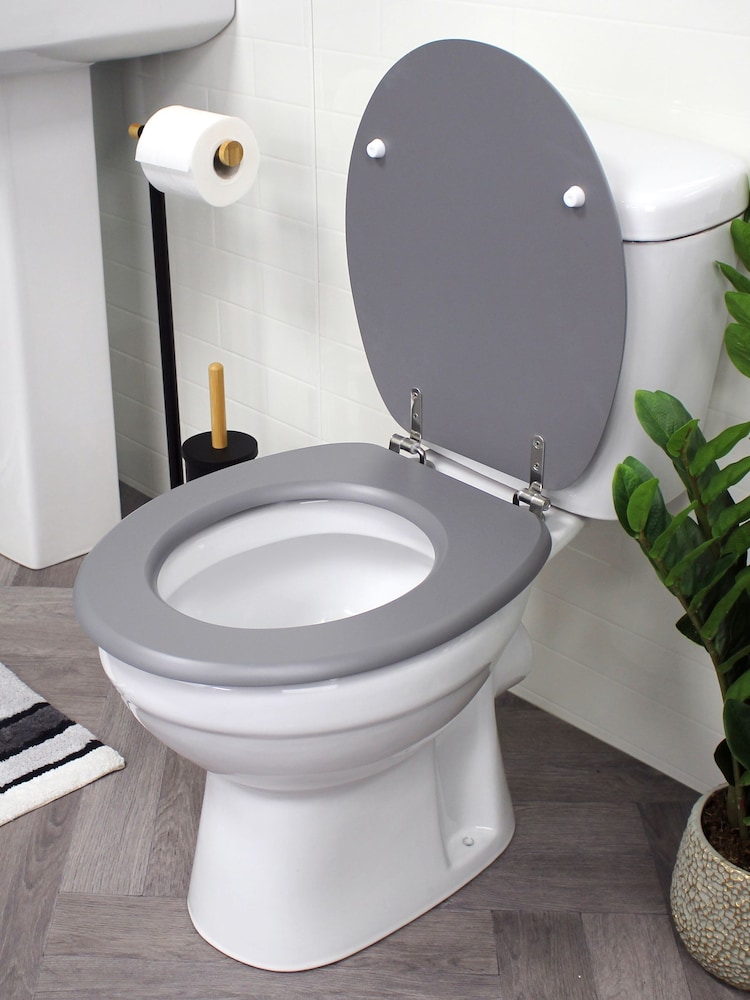
A toilet seat is a hinged unit that rests on top of a toilet bowl, providing a comfortable and sanitary sitting surface. While it may seem like a simple accessory, choosing the right one impacts:
- Daily comfort
- Bathroom hygiene
- Safety for children and elderly users
- Long-term durability
- Noise reduction
- Overall bathroom design
A poorly chosen seat can crack, loosen, stain, or become uncomfortable over time. Investing in a high-quality toilet seat ensures both functionality and style.
Types of Toilet Seat Options Available
Understanding the different types available helps narrow your options quickly.
1. Standard Toilet Seat
The most common and affordable option. It includes basic hinges and a solid lid. Ideal for rental properties or quick replacements.
2. Soft Close Toilet_Seat
A soft close toilet seat prevents slamming by using special hinges that lower the lid gently. This feature reduces noise and protects the toilet bowl from damage.
Benefits:
- Quiet closing
- Prevents cracks
- Child-safe
- Longer lifespan
3. Heated Toilet Seat
Popular in luxury bathrooms, heated seats offer adjustable warmth for comfort during colder months.
4. Bidet Toilet_Seat
Bidet seats provide built-in washing functionality. Many include temperature control, air drying, and deodorizing features.
5. Quick Release Toilet Seat
This design allows you to detach the seat easily for thorough cleaning. It improves hygiene and simplifies maintenance.
Toilet_Seat Shapes: Round vs. Elongated
Choosing the correct shape is critical for proper fit.
Round Toilet_Seat
- Approx. 16.5 inches long
- Compact design
- Ideal for smaller bathrooms
Elongated Toilet_Seat
- Approx. 18.5 inches long
- More comfortable
- Modern appearance
Before buying, measure from the center of the mounting holes to the front edge of the bowl to ensure the correct fit.
Toilet Seat Materials Explained


4
Material plays a huge role in durability and comfort.
Plastic Toilet eat
- Lightweight
- Affordable
- Easy to clean
- Resistant to moisture
Best for everyday use and budget-friendly bathrooms.
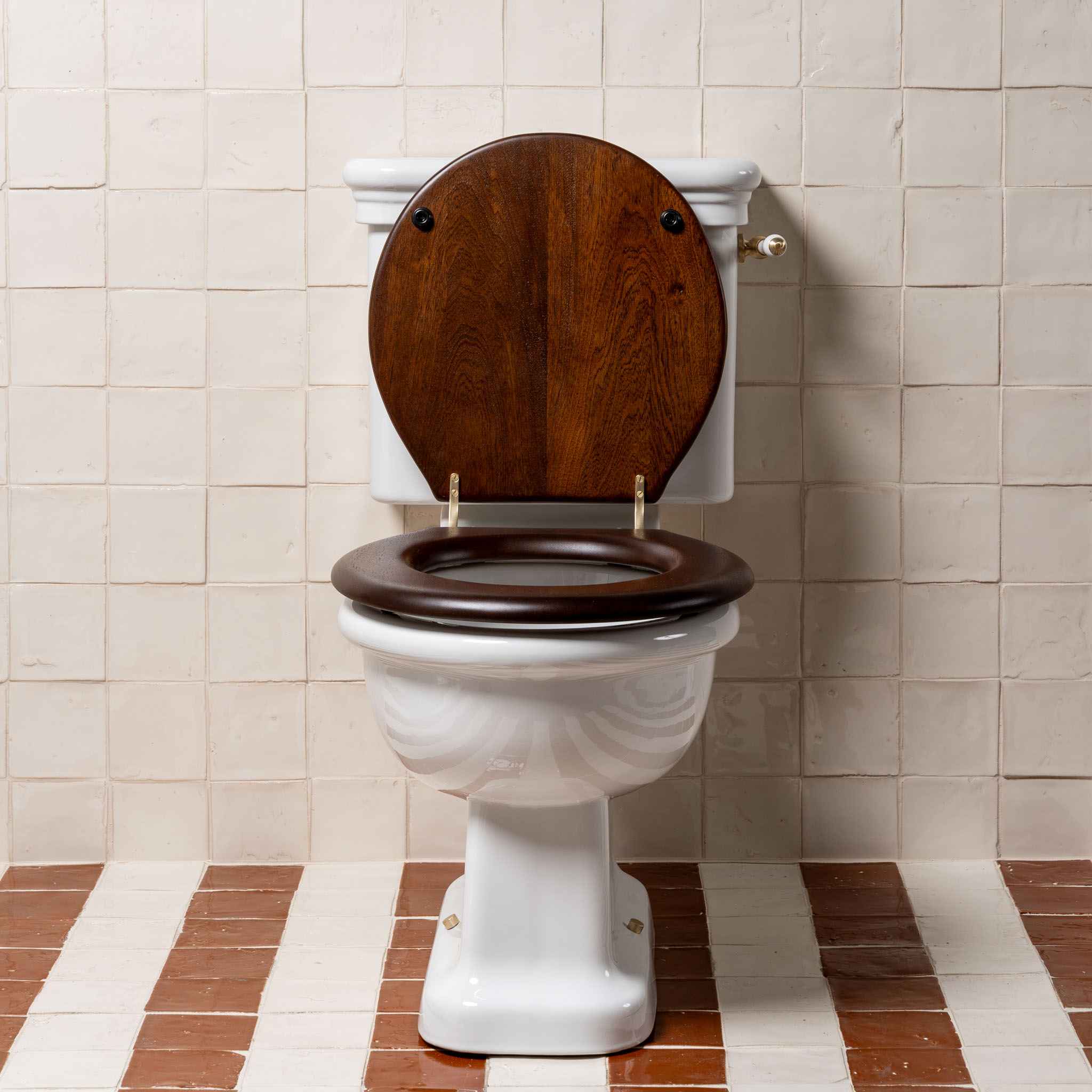
Wood Toilet eat
- Heavier and sturdy
- Classic aesthetic
- More durable
- Often coated for water resistance
Ideal for traditional or luxury designs.
Polypropylene Toilet_Seat
- Scratch-resistant
- Long-lasting
- Flexible yet strong
Excellent for high-traffic bathrooms.
Key Features to Look for in a Toilet_Seat
When shopping, consider these essential features:
1. Soft Close Hinges
Prevents loud slamming and increases longevity.
2. Quick-Release Mechanism
Makes cleaning easier and more hygienic.
3. Anti-Bacterial Coating
Reduces germs and improves sanitation.
4. Adjustable Hinges
Ensures proper alignment with the toilet bowl.
5. Non-Slip Bumpers
Prevents shifting during use.
6. Child-Friendly Design
Some seats include built-in child rings for families.
How to Measure for the Right Toilet_Seat
Incorrect measurements can lead to instability and discomfort. Follow these steps:
- Measure bowl length from mounting holes to front edge.
- Measure bowl width at the widest point.
- Check the distance between mounting holes (usually 5.5 inches standard).
Accurate measurements guarantee proper installation and stability.
How to Install a Toilet Seat Properly
Installing a toilet seat is simple and usually takes under 20 minutes.
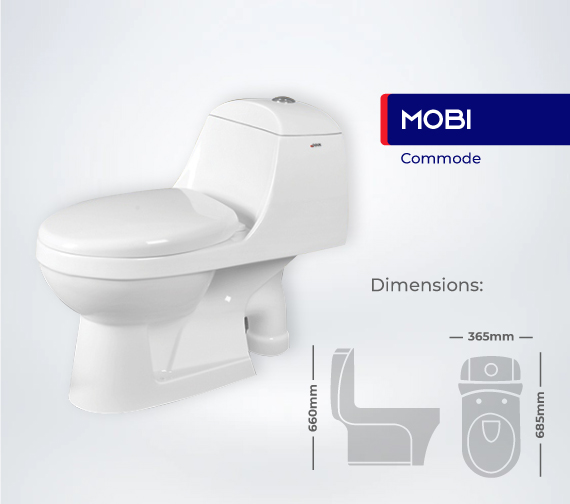
Step-by-Step Guide:
- Remove the old seat by unscrewing the bolts.
- Clean the toilet rim thoroughly.
- Align the new seat with mounting holes.
- Insert bolts and tighten evenly.
- Check alignment and stability.
Avoid over-tightening to prevent cracking.
Toilet_Seat Maintenance Tips
Regular cleaning extends lifespan and maintains hygiene.
Cleaning Tips:
- Use mild soap and water
- Avoid harsh chemicals
- Dry completely after cleaning
- Tighten hinges periodically
For wooden models, avoid excessive moisture exposure.
Choosing the Best Toilet _eat for Families
Families have unique needs. Here’s what to consider:
- Soft close feature for children
- Durable hinges
- Scratch-resistant surface
- Easy-clean design
- Built-in toddler seat (optional)
A well-chosen toilet seat improves convenience for all household members.
Toilet eat Styles for Modern Bathrooms

4
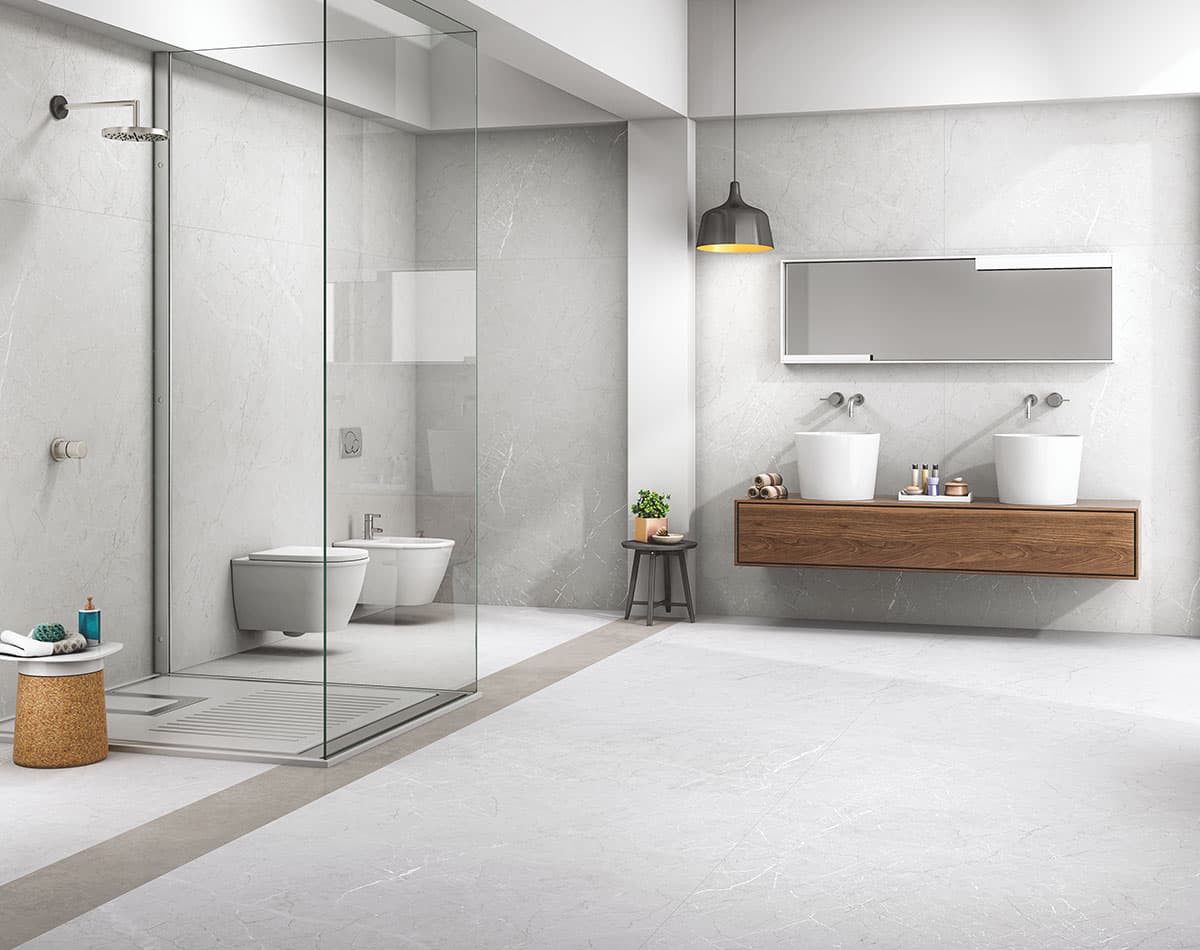
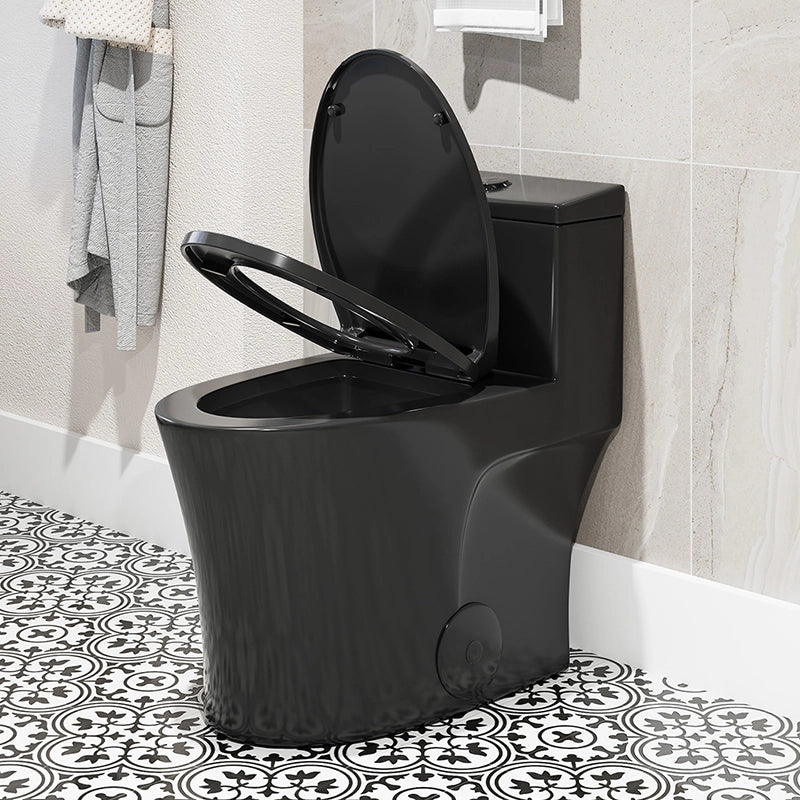
A toilet seat also contributes to bathroom aesthetics.
Popular Styles:
- Matte white
- Gloss finish
- Black modern seats
- Wood grain finish
- Slim profile designs
Minimalist bathrooms often feature ultra-thin seats for a sleek appearance.
Common Problems and Solutions
Loose Toilet_Seat
Tighten bolts or replace worn-out hinges.
Stained Surface
Use baking soda paste or specialized cleaners.
Cracks or Chips
Replace immediately to maintain hygiene and safety.
Seat Sliding
Install non-slip bumpers or upgrade to a better hinge system.
Eco-Friendly Toilet Seat Options
Environmentally conscious homeowners can choose:
- Bamboo toilet seat
- Recycled plastic models
- Water-saving bidet seats
These options reduce environmental impact while maintaining performance.
Toilet)Seat Price Guide
Prices vary depending on features and material.
| Type | Average Price Range |
|---|---|
| Basic Plastic | $15 – $30 |
| Soft Close | $25 – $60 |
| Wooden | $40 – $100 |
| Heated | $80 – $300 |
| Bidet | $150 – $600 |
Investing slightly more often ensures better durability and comfort.
Why Upgrading Your Toilet Seat Is Worth It
Replacing an outdated toilet seat can:
- Improve hygiene
- Enhance comfort
- Reduce noise
- Modernize bathroom appearance
- Increase property value
It’s a small investment with noticeable impact.
Buying Tips for the Perfect Toilet Seat
Before making a purchase, ask yourself:
- Is the shape compatible?
- Do I need soft close functionality?
- Is easy cleaning important?
- Does the style match my bathroom?
- What is my budget?
Reading product reviews and checking warranty details also helps.
Frequently Asked Questions About Toilet Seat
How long does a toilet seat last?
Most quality seats last 3–5 years depending on usage and material.
Can I replace a toilet seat myself?
Yes, installation is simple and requires basic tools.
Are soft close seats worth it?
Absolutely. They prevent noise, reduce damage, and improve safety.
What is the most durable toilet seat material?
Molded wood and polypropylene are highly durable options.
Final Thoughts on Choosing the Best Toilet Seat
A toilet seat may appear to be a small component of your bathroom, but it significantly affects daily comfort, hygiene, and style. From soft close models to heated and bidet options, today’s market offers solutions for every need and budget.
By understanding types, materials, features, and maintenance requirements, you can confidently select the ideal toilet seat that enhances your bathroom experience for years to come.
Whether you prefer a modern slim design or a durable family-friendly option, the right choice combines functionality, comfort, and aesthetics seamlessly.
