


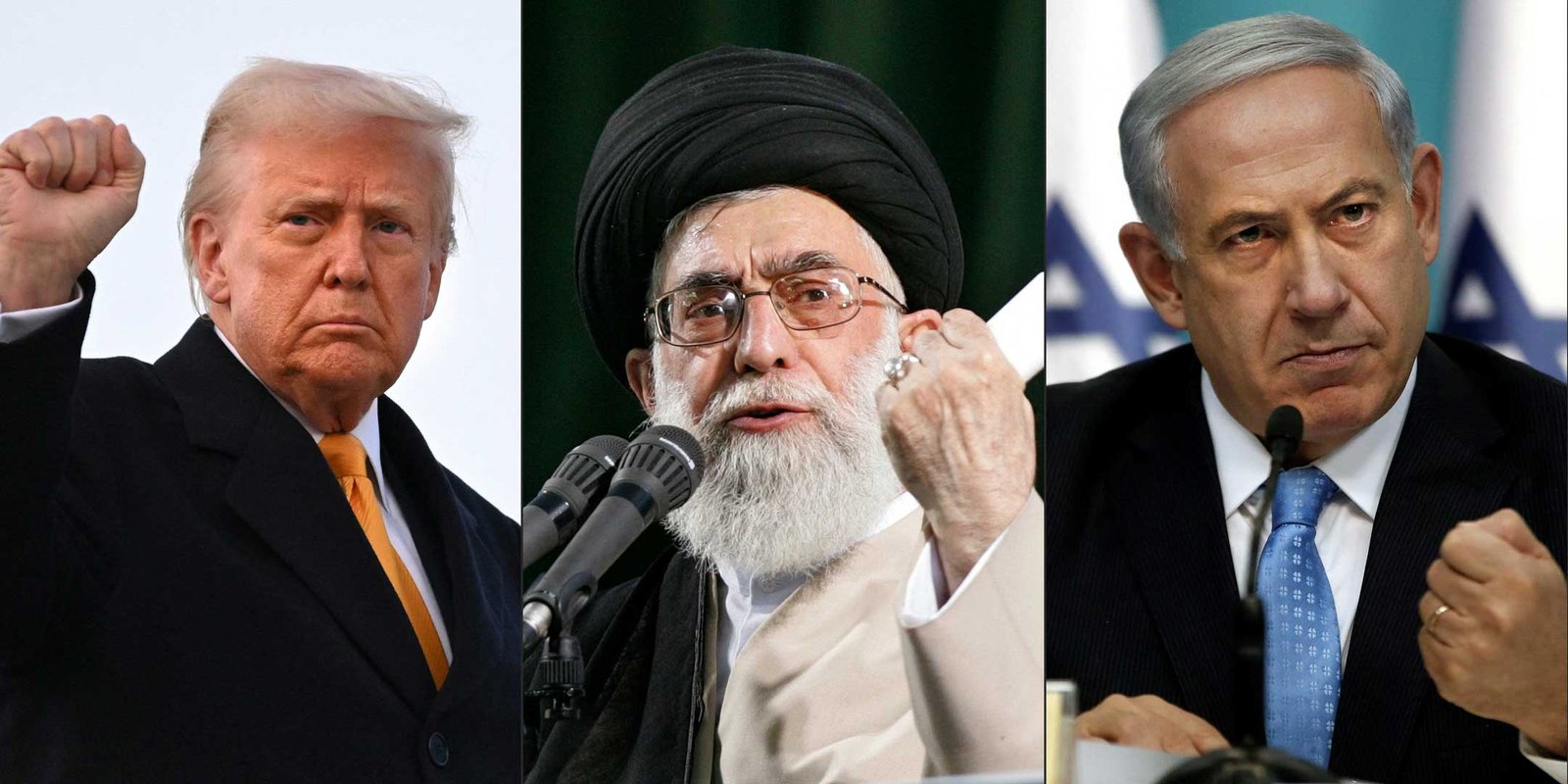
The relationship between Trump Iran has been one of the most discussed and controversial topics in modern international politics. During Donald Trump’s presidency, the United States and Iran experienced rising tensions that reshaped Middle Eastern diplomacy, global security strategies, and international nuclear negotiations.
From withdrawing from the Iran nuclear deal to imposing strict sanctions, the Trump administration introduced policies that significantly impacted Iran’s economy and geopolitical stance. These actions continue to influence US-Iran relations even after Trump left office.
This article explores the full background, major events, and lasting effects of the Trump Iran era in global politics.
Understanding Trump Iran Relations in Modern History
To understand the topic of Trump Iran, it is essential to look at the broader history of US-Iran relations. The two nations have had strained interactions since the Iranian Revolution in 1979, when Iran became an Islamic Republic and diplomatic ties with the United States collapsed.
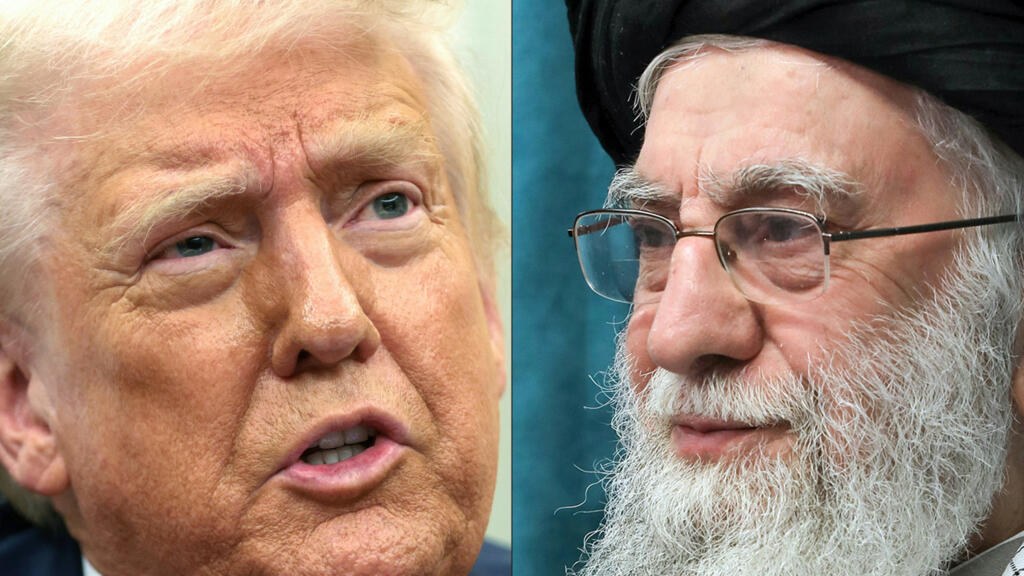
Over the decades, disagreements over nuclear development, regional influence, and military presence in the Middle East have fueled conflict.
When Donald Trump became president in 2017, his administration adopted a much tougher stance compared to previous leaders, setting the stage for a new phase of confrontation.
Trump Iran Policy Shift After Taking Office
One of the most notable aspects of Trump Iran relations was the immediate policy shift after Trump entered the White House.
Trump criticized Iran heavily during his campaign, calling the nuclear agreement weak and accusing Iran of destabilizing the Middle East.
Key policy changes included:
- Rejecting diplomatic softness
- Strengthening alliances with Israel and Gulf nations
- Increasing economic pressure on Tehran
- Promising stronger action against Iranian influence
This new approach marked a dramatic departure from Obama-era diplomacy.=
Trump Iran and the Withdrawal from the Nuclear Deal (JCPOA)
Perhaps the most defining moment in Trump Iran relations was Trump’s decision to withdraw from the Joint Comprehensive Plan of Action (JCPOA) in May 2018.
What Was the JCPOA?
The JCPOA was an international nuclear agreement signed in 2015 between Iran and major world powers. Its goal was to limit Iran’s nuclear program in exchange for sanction relief.
Why Did Trump Leave the Deal?
Trump argued that:
- The deal did not permanently stop Iran’s nuclear ambitions
- Iran continued supporting militant groups
- Restrictions would eventually expire
- The agreement failed to address missile development
By leaving the deal, Trump aimed to negotiate a stronger agreement, but Iran and other nations strongly opposed the move.
Trump Iran Sanctions and Economic Pressure Campaign
After leaving the nuclear deal, the Trump administration launched what it called a “maximum pressure” campaign.
Key Elements of Sanctions
Under this strategy, the US re-imposed and expanded sanctions targeting:
- Iran’s oil exports
- Banking and financial sectors
- Shipping and trade networks
- Revolutionary Guard organizations
These sanctions caused major economic hardship inside Iran, including inflation, currency collapse, and reduced global trade.
The Trump Iran sanctions policy remains one of the strictest ever placed on Iran.
Trump Iran Conflict and Rising Military Tensions
The years 2019 and 2020 saw increasing military confrontations between the two nations.
Attacks in the Persian Gulf
Several oil tankers were attacked near the Strait of Hormuz, a key global oil route. The US blamed Iran, while Iran denied involvement.
Drone Shootdown Incident
Iran shot down a US military drone in 2019, claiming it violated Iranian airspace. Trump considered retaliatory strikes but ultimately canceled them.
These incidents highlighted how fragile and dangerous the Trump Iran conflict became.
Trump Iran and the Killing of Qasem Soleimani
One of the most dramatic events in the Trump-Iran timeline was the killing of Iranian General Qasem Soleimani in January 2020.
Who Was Soleimani?
Soleimani was the commander of Iran’s Quds Force, a powerful branch of the Revolutionary Guard responsible for overseas operations.
Why Was He Targeted?
The Trump administration claimed Soleimani was planning attacks against US personnel.
Iran’s Response
Iran retaliated by launching missile strikes on US bases in Iraq, injuring American troops.
This moment brought the US and Iran dangerously close to open war, making it one of the most significant developments in Trump Iran relations.
Trump Iran and Middle East Diplomacy Changes
Trump’s Iran strategy also reshaped alliances across the Middle East.
Stronger US-Israel Partnership
Trump supported Israel strongly, including recognizing Jerusalem as Israel’s capital. Iran viewed this as hostile.
Gulf States Support
Saudi Arabia and the UAE supported Trump’s hardline Iran stance, as they saw Iran as a regional rival.
Abraham Accords Impact
The Abraham Accords normalized relations between Israel and several Arab states, partly influenced by shared concerns over Iran’s power.
Thus, the Trump Iran era changed the entire diplomatic balance of the region.
Trump Iran Nuclear Program Developments After JCPOA Exit
After the US withdrew from the nuclear deal, Iran gradually reduced its compliance with JCPOA limits.
Iran began:
- Increasing uranium enrichment levels
- Expanding nuclear research
- Reducing international inspections
This created new fears that Iran could move closer to nuclear weapons capability, although Iran insists its program is peaceful.
Many experts argue that Trump’s withdrawal accelerated nuclear tensions rather than resolving them.
Global Reactions to Trump Iran Strategies
The international community responded with mixed opinions regarding Trump’s Iran approach.
European Union Response
European leaders opposed the withdrawal from JCPOA and tried to keep the deal alive through alternative trade mechanisms.
Russia and China Position
Russia and China strengthened ties with Iran, criticizing US sanctions and expanding economic cooperation.
United Nations Role
The UN expressed concern about rising tensions and urged both nations to return to diplomacy.
Overall, the Trump Iran policy created divisions among major global powers.
Trump Iran and the Impact on Iranian Society
Sanctions and isolation deeply affected everyday life in Iran.
Major consequences included:
- Rising unemployment
- Higher costs of basic goods
- Limited access to international markets
- Public frustration with leadership
While the pressure weakened Iran’s economy, it also increased nationalist sentiment and strengthened hardline political factions.
This shows the complex outcomes of the Trump Iran sanctions campaign.
Trump Iran Legacy After the Presidency
Even after Trump left office in 2021, his Iran policies continue to influence current US foreign policy.
Biden Administration Challenges
President Biden attempted to restore nuclear diplomacy, but negotiations have been difficult due to:
- Mutual distrust
- Iran’s nuclear progress
- Regional conflicts
- Political divisions in Washington
The lasting effects of the Trump Iran era remain central in discussions about Middle East stability.
Could Trump Iran Relations Change in the Future?
Future US-Iran relations depend on many factors, including leadership changes, nuclear negotiations, and regional security developments.
Possible outcomes include:
- Renewed diplomatic agreements
- Continued sanctions and isolation
- Increased military confrontation
- Regional peace-building efforts
If Trump returns to political power, his approach toward Iran could again become more aggressive, making the topic of Trump Iran highly relevant for future global politics.
