


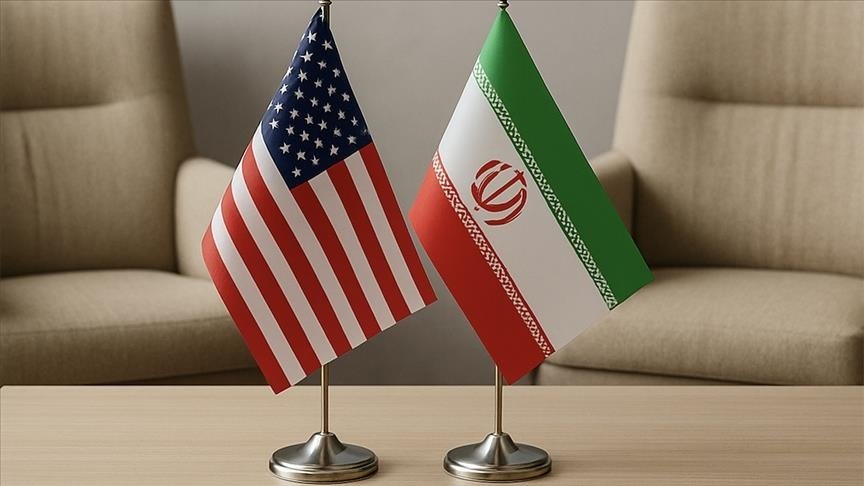
The relationship between US Iran has remained one of the most complex and widely discussed topics in international politics. Over the past several decades, the interactions between the United States and Iran have shifted from cooperation to confrontation, shaping not only the Middle East but also global security and economic systems.
Understanding US Iran relations requires exploring historical roots, political tensions, nuclear concerns, economic sanctions, and regional power struggles. This article provides a detailed overview of how the relationship evolved, why it remains strained, and what the future might hold.
US_Iran Relations: A Historical Background
To fully understand modern tensions, it is important to look back at the early stages of US Iran relations.
During the early 20th century, Iran was ruled by monarchs who maintained close ties with Western powers. The United States became increasingly involved in Iran after World War II, especially due to Iran’s strategic location and vast oil reserves.
Key Historical Events
- In 1953, the CIA supported a coup that overthrew Iran’s Prime Minister Mohammad Mossadegh.
- The Shah of Iran regained power and became a strong ally of the United States.
- This alliance continued until the late 1970s.
These events created long-term mistrust in Iran toward American involvement.
The Iranian Revolution and US Iran Diplomatic Breakdown
The turning point in US Iran relations came in 1979 with the Iranian Revolution.
Iran’s monarchy was overthrown, and the Islamic Republic was established under Ayatollah Khomeini. The new leadership viewed the United States as an enemy due to its past support for the Shah.
The Hostage Crisis
One of the most defining moments occurred when Iranian students stormed the US Embassy in Tehran and took 52 American diplomats hostage for 444 days.
This crisis led to:
- The end of formal diplomatic relations
- The beginning of sanctions
- A long-lasting political divide
Since then, US Iran relations have remained largely hostile.
US_Iran Conflict During the Iran-Iraq War
During the 1980s, the Iran-Iraq War further intensified tensions.
The United States supported Iraq under Saddam Hussein, fearing Iran’s revolutionary influence would spread across the region.
Although the US did not directly fight Iran, its involvement created deeper hostility.
Major outcomes included:
- Increased Iranian suspicion of American intentions
- Military confrontations in the Persian Gulf
- Continued diplomatic isolation
This period shaped modern Middle Eastern geopolitics.
US Iran Nuclear Dispute and Global Concerns
One of the biggest challenges in modern US Iran relations is Iran’s nuclear program.
The United States and its allies have long accused Iran of attempting to develop nuclear weapons. Iran, however, claims its program is for peaceful energy purposes.
Why the Nuclear Issue Matters
The nuclear dispute has led to:
- International inspections
- Global sanctions
- Threats of military action
- Diplomatic negotiations
The nuclear question remains central to the future of US Iran diplomacy.
The Iran Nuclear Deal and US Iran Diplomacy
In 2015, a major breakthrough occurred: the Joint Comprehensive Plan of Action (JCPOA), also known as the Iran Nuclear Deal.
Under this agreement:
- Iran agreed to limit uranium enrichment
- International inspectors gained access
- Sanctions were lifted gradually
This was one of the rare positive developments in US Iran relations.
US Withdrawal from the Deal
In 2018, the United States withdrew from the agreement, leading to:
- Renewed sanctions
- Iranian retaliation through increased enrichment
- Rising regional tensions
The collapse of the deal remains a major setback.
US Iran Sanctions and Economic Impact
Economic sanctions have been one of the most powerful tools used by the United States against Iran.
Sanctions target:
- Oil exports
- Banking systems
- Military industries
- International trade
Effects on Iran
The sanctions have caused:
- Inflation and economic hardship
- Currency devaluation
- Reduced foreign investment
- Public frustration
Sanctions remain a major feature of the ongoing US Iran conflict.
US Iran Military Tensions in the Middle East
The Middle East has become a key battleground for indirect confrontation between the US and Iran.
Iran supports several regional groups, while the US maintains alliances with countries like Israel, Saudi Arabia, and the UAE.
Key Flashpoints
- Strait of Hormuz naval incidents
- Attacks on US bases in Iraq
- Drone strikes and cyber warfare
- Iran-backed militia activities
Military escalation remains a constant risk in US Iran relations.
The Role of US Iran Rivalry in Regional Politics
The rivalry between the US and Iran influences nearly every major conflict in the Middle East.
Iran seeks to expand its influence through alliances in:
- Syria
- Lebanon
- Iraq
- Yemen
The United States aims to counterbalance Iran’s regional power.
This struggle has contributed to prolonged instability across the region.
US Iran Relations and Israel’s Security Concerns
Israel plays a critical role in shaping American policy toward Iran.
Iran has repeatedly criticized Israel, while Israel views Iran’s nuclear ambitions as a direct threat.
The US often supports Israel’s stance, which further complicates US Iran diplomacy.
This triangular tension is one of the biggest obstacles to peace.
US Iran and the Global Energy Market
Iran holds some of the world’s largest oil and gas reserves, making US Iran relations important for global energy security.
When tensions rise:
- Oil prices increase
- Shipping routes become threatened
- Markets face uncertainty
The Strait of Hormuz, where much of the world’s oil passes, remains especially sensitive.
Diplomatic Challenges Between US Iran
Despite decades of hostility, diplomacy has not completely disappeared.
Negotiations have taken place through:
- European intermediaries
- United Nations channels
- Backdoor diplomacy
However, major barriers remain:
- Lack of trust
- Domestic political pressure
- Regional conflicts
- Nuclear disagreements
A stable diplomatic breakthrough remains difficult but not impossible.
Public Opinion and Cultural Views in US Iran Relations
Interestingly, political hostility does not always reflect public attitudes.
Many Iranians admire American culture, education, and technology. Similarly, many Americans distinguish between Iran’s government and its people.
Cultural exchanges and academic connections have continued despite political divisions.
This suggests that future improvement in US Iran relations may be possible through people-to-people engagement.
Future Possibilities for US Iran Relations
The future of US Iran relations depends on several key factors:
Potential Paths Forward
- Renewed Nuclear Agreement
Diplomatic compromise could reduce tensions. - Continued Escalation
Military confrontation remains a risk. - Regional Cooperation
Shared interests like fighting extremist groups could open dialogue. - Leadership Changes
Political shifts in either country may influence policies.
Although the relationship remains strained, history shows that diplomacy can still emerge when both sides see mutual benefit.
