


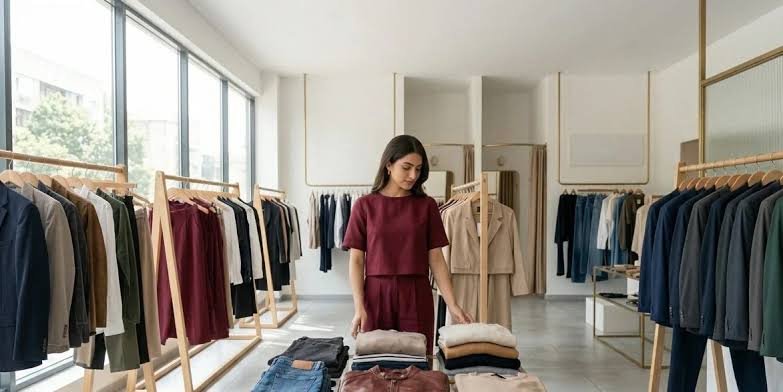
Department stores bring many types of products into one convenient place. You can find clothing, shoes, beauty products, home goods, electronics, and more. This makes shopping easier for families and busy shoppers. Many stores also offer customer service, loyalty programs, online shopping, and seasonal deals. Today, the retail world is changing quickly. Yet, these stores still have an important role in everyday shopping. They combine choice, convenience, and personal service under one roof. Some stores focus on value, while others offer premium brands and luxury products. The best choice depends on your budget, needs, and shopping habits. This guide explains how department stores work and what makes them useful. It also covers their benefits, common sections, shopping tips, and future trends. The goal is to help you shop smarter and understand this major part of retail.
What Are Department Stores?
Department stores are large retail businesses that sell many product types. Instead of visiting several shops, customers can browse different sections together. These sections often include fashion, beauty, furniture, kitchen items, and accessories. Some stores also have food areas, cafes, or customer service desks. Their wide product range is one of their biggest strengths. Shoppers can compare different brands and price levels in one visit. Store layouts usually divide products into clear departments. This makes it easier to find specific items. Many modern retailers also connect their physical stores with websites and mobile apps. Customers may check products online before visiting a store. They can sometimes order online and collect items in person. This blend of online and offline shopping has changed the retail experience.
A Brief History of Department Stores
The department store model grew as cities became larger and shopping habits changed. Early retailers began placing many product categories inside one building. This gave shoppers more choices than traditional small shops offered. Large stores also created attractive displays to encourage customers to explore. Over time, they added fixed prices, return policies, catalogs, and customer services. These features helped make shopping more simple and organized. Department stores became especially important during the growth of modern cities. They offered clothing, household products, gifts, and other daily needs. Advertising also helped these retailers build strong public identities. Today, the traditional model has changed because of online shopping. Many retailers now use websites, apps, pickup services, and digital loyalty programs. However, the basic idea remains useful. Customers still value having many products and services available in one location.
What Can You Buy in Department Stores?
The product range can vary from one retailer to another. Most stores have several major shopping categories. Fashion is usually one of the largest sections. It may include men’s clothing, women’s clothing, children’s wear, and accessories. Beauty areas often sell skincare, makeup, hair products, and fragrances. Home sections can include bedding, cookware, furniture, storage items, and decorations. Some retailers also sell toys, electronics, luggage, jewelry, and seasonal goods. Customers can often compare several brands before making a purchase. This broad selection is useful when shopping for multiple family members. It can also save time during holiday shopping. Before visiting, check the store’s website for its current product categories. Inventory can change by location and season. Online product pages may also show whether an item is available nearby.
Why Do People Shop at Department Stores?
Convenience is one of the biggest reasons people choose department stores. Shoppers can complete several errands during one visit. This can save time and reduce the need for multiple trips. Product variety is another major advantage. Customers can compare brands, styles, sizes, and prices in one place. Physical stores also let shoppers see and touch products before buying. This can be important for clothing, furniture, cosmetics, and household goods. Personal service can add another benefit. Staff members may help customers find sizes or understand product features. Many retailers also provide returns and exchanges. Loyalty programs can offer points, member prices, or special promotions. However, shoppers should compare prices before buying. A product is not always cheaper simply because it is on sale.
Main Departments Found in Large Stores
Large retail stores often organize products into separate departments. This makes the shopping journey easier to understand. Fashion departments may cover everyday clothing and special occasion outfits. Shoe sections usually offer different styles for adults and children. Beauty counters can include skincare, cosmetics, haircare, and fragrances. Home departments may focus on cooking, bedding, furniture, and décor. Toy areas can provide products for different age groups. Jewelry departments often carry watches, accessories, and gifts. Seasonal sections change throughout the year. For example, stores may promote school supplies before the school year. Holiday products often receive more space during festive seasons. Department layouts also influence how customers move through a store. Clear signs and organized displays can make shopping much faster.
Department Stores and Online Shopping
Online shopping has changed how people use physical retailers. Customers now expect websites to provide product information before visiting. They may check prices, reviews, sizes, and availability online. Many department stores offer online ordering with home delivery. Some also provide click-and-collect services. This allows shoppers to order products and pick them up at a store. Mobile apps can provide another useful shopping tool. Customers may receive sale alerts, digital coupons, and loyalty rewards. Online shopping also makes price comparison easier. However, physical stores still offer an experience that websites cannot fully copy. Shoppers can test products, check clothing fits, and speak with staff. The strongest retailers often combine both channels. This approach is known as an omnichannel retail strategy.
How to Save Money While Shopping
Smart planning can make department store shopping more affordable. Start by creating a list before entering the store. This helps reduce impulse purchases. Compare regular prices with sale prices before buying. Some discounts may be smaller than they first appear. Check loyalty programs if you shop at the same retailer often. Member benefits can include points, coupons, or early sale access. Look for seasonal clearance sections as well. These areas can offer useful products at lower prices. However, only buy something if you actually need it. Another useful habit is comparing online and in-store prices. Some retailers run different promotions across their sales channels. Also check return rules before buying discounted products. A low price is less useful if returning the item is difficult.
Customer Service and Return Policies
Good customer service can strongly affect the shopping experience. Department stores often have dedicated service desks for questions and returns. Staff may help with product information, exchanges, refunds, and orders. Return policies differ between retailers and product categories. Some items may have shorter return periods than others. Clearance products can also have special rules. Always read the current policy before making a large purchase. Keep your receipt or digital order confirmation when possible. Some loyalty programs store purchase records digitally. This can make future returns easier. Customers should also inspect products before leaving the store. Check clothing sizes, packaging, accessories, and visible damage. For online orders, inspect items soon after delivery. Quick action can help if something is missing or damaged.
Department Stores for Family Shopping
Department stores can be useful for families with different shopping needs. Parents can find clothing for several age groups in one trip. Home sections can provide kitchen, bedding, and storage products. Toy departments can also make gift shopping easier. Many stores carry seasonal items for birthdays and holidays. Family shopping can become stressful when stores are crowded. Visiting during quieter hours may create a better experience. Making a list can also keep the trip focused. Older children can help compare products and prices. This can teach useful money skills. Parents should also set spending limits before shopping. A clear budget can prevent unexpected purchases. When shopping online, filters can make large product catalogs easier to manage. Families can then compare options without walking through every department.
How Department Stores Use Technology
Technology now plays a major role in modern retail. Digital systems help retailers manage products, prices, orders, and customer information. Shoppers may use apps to search for products before visiting. Some stores offer digital receipts and electronic loyalty cards. Self-checkout systems can make smaller purchases faster. Online inventory tools can show whether products are available. Retailers also use data to understand customer demand. This can help them plan stock and seasonal promotions. Some stores use smart systems to improve delivery and order pickup. Technology can also support personalized recommendations. However, customers should still check product details before buying. Automated recommendations do not always match individual needs. The best shopping experience combines useful technology with helpful human support.
Department Stores vs. Specialty Stores
Department stores and specialty stores serve different shopping needs. A department store offers many product categories in one place. A specialty store usually focuses on one main category. For example, a specialty retailer may focus mainly on shoes or electronics. Specialty stores can provide deeper product knowledge in their chosen area. Department stores offer greater variety and shopping convenience. Your choice depends on what you need. If you want several different products, a large retailer may save time. If you need expert advice about one product, a specialty shop may be better. Price can also vary between both models. Smart shoppers should compare product quality, service, warranty terms, and price. The cheapest option is not always the best value.
Choosing the Right Store for Your Needs
There is no single best department store for every shopper. Start by identifying what you need to buy. Then consider product selection, price, location, and service. Check whether the retailer carries the brands you prefer. Review shipping and pickup options if shopping online. Return policies should also influence your decision. A convenient store with poor returns may create problems later. Customer reviews can provide useful information about shopping experiences. Still, online reviews should be viewed with care. Individual experiences may not represent every customer. It can also help to compare the retailer’s website with its physical store. Some products may only be available through one channel. Taking a few minutes to compare options can lead to better purchases.
Department Stores and Seasonal Shopping
Seasonal shopping is a major part of retail sales. Stores often change their displays based on holidays and weather. Winter may bring coats, boots, blankets, and gift items. Spring can bring lighter clothing, home décor, and outdoor products. Back-to-school periods often focus on clothing and school supplies. Holiday seasons can feature toys, decorations, beauty products, and gifts. Planning ahead can help shoppers avoid crowded stores. Early shopping may also provide more product choices. Late-season clearance can provide better prices. However, popular sizes and colors may sell out quickly. Make a simple plan based on your needs and budget. This can help you balance price and product availability. Seasonal shopping works best when discounts do not encourage unnecessary spending.
The Future of Department Stores
The retail industry will continue to change as technology develops. Department stores are likely to focus more on flexible shopping experiences. Online ordering, store pickup, and fast delivery will remain important. Physical locations may become more focused on experiences and services. Customers may visit stores to test products before ordering online. Retailers may also improve personalized offers and digital tools. Sustainability is another important area for modern shoppers. Some retailers are reducing packaging and improving product sourcing. Others are exploring resale, repair, and recycling programs. Store design may also become more interactive. However, the basic customer need will remain simple. People want useful products, fair prices, easy service, and convenience. Retailers that meet these needs can remain valuable in a changing market.
Tips for a Better Department Store Experience
A few simple habits can improve your shopping trip. First, decide what you need before leaving home. Next, check the retailer’s website for current prices and stock. Bring a list and set a clear spending limit. Compare several brands before choosing a product. Ask staff for help when you need expert guidance. Check size, quality, warranty details, and return rules. Avoid buying products simply because they have large sale signs. When shopping online, read product descriptions carefully. Look for reviews that discuss real product use. Check delivery charges before completing your order. These steps can help you avoid common shopping mistakes. They also make it easier to focus on value rather than impulse.
Key Facts About Department Stores
| Topic | Details |
| Business type | Multi-category retail |
| Main purpose | Convenient shopping across many product categories |
| Common products | Clothing, shoes, beauty, home goods, toys, accessories |
| Shopping channels | Physical stores, websites, and mobile apps |
| Common services | Returns, exchanges, pickup, delivery, customer support |
| Main benefit | Variety and convenience |
| Common challenge | Strong competition from online retailers |
| Modern focus | Omnichannel shopping and customer experience |
| Best for | Shoppers buying different products in one trip |
| Buying tip | Compare prices, quality, and return terms |
Frequently Asked Questions
1. What are department stores?
Department stores are large retail businesses with many product categories. They may sell clothing, shoes, beauty products, home goods, toys, and accessories. Their main advantage is convenience. Customers can shop for different needs inside one location. Many retailers also provide online shopping, delivery, pickup, loyalty programs, and customer support.
2. What products do department stores usually sell?
Product selection depends on the retailer and location. Common categories include fashion, footwear, beauty, home goods, toys, jewelry, luggage, and seasonal products. Some stores also sell electronics and food items. Checking the store’s website can help you understand its current selection before visiting.
3. Are department stores cheaper than specialty stores?
Not always. Department stores may offer regular promotions, clearance deals, and loyalty rewards. Specialty stores may have better prices on certain products. Smart shoppers should compare total prices and product quality. Shipping costs, warranties, and return policies can also affect the final value.
4. Can I shop at department stores online?
Yes, many modern retailers have online stores. Customers can browse products, compare prices, and place orders from home. Some retailers offer delivery or store pickup. Online shopping can save time. Physical stores remain useful when customers want to see or test products before buying.
5. How can I save money at department stores?
Make a shopping list and set a budget first. Compare prices before buying. Look for genuine seasonal discounts and clearance offers. Loyalty programs may provide additional savings. Also check online prices and return policies. Most importantly, avoid buying products simply because they are marked as discounted.
6. Are department stores still relevant today?
Yes, although the retail model is changing. Online shopping has created strong competition. Still, physical stores offer product testing, personal service, immediate purchases, and easy returns. Many successful retailers combine stores with websites and apps. This creates a flexible shopping experience for modern customers.
Conclusion
Department stores remain an important part of the shopping world because they offer choice and convenience. Customers can find many product categories without visiting several separate retailers. Modern stores also connect physical shopping with websites, apps, delivery, and pickup services. This creates more ways to shop based on personal needs. However, smart shopping still matters. Always compare prices, check product quality, and understand return policies. Do not let large discounts push you into unnecessary purchases. The best retail experience comes from finding useful products at fair value. As shopping habits continue to change, department stores will need to keep improving their services. Customers will benefit from better technology, stronger service, and more flexible shopping options. Whether you prefer browsing in person or shopping online, understanding how these retailers work can help you make better buying decisions.
