


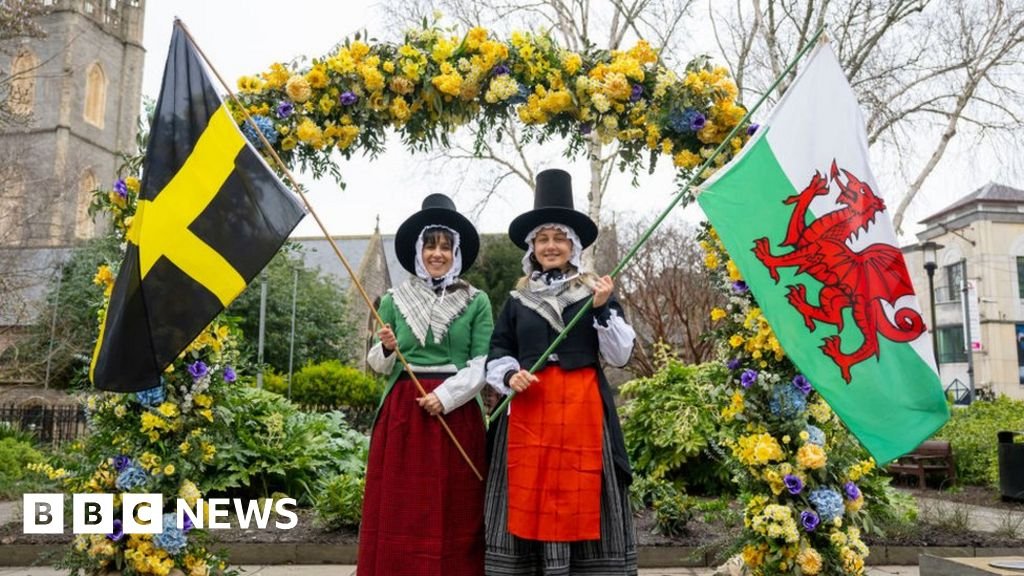
St. David’s Day is a national celebration held every year on March 1st in honor of the patron saint of Wales, Saint David. This cultural and religious festival represents Welsh pride, heritage, and identity. Across Wales and among Welsh communities around the world, people celebrate with parades, traditional clothing, music, and food.
Although it is not a public holiday in the United Kingdom, St. David’s Day remains one of the most meaningful cultural events for the people of Wales. The celebration brings together history, religion, folklore, and national unity.
In this comprehensive guide, we will explore the origins, traditions, symbols, food, global celebrations, and modern relevance of St. David’s Day.
The History Behind St. David’s Da

4
Who Was Saint David?
Saint David, known in Welsh as Dewi Sant, was a 6th-century bishop and missionary. He founded monastic settlements and churches throughout Wales and parts of Britain. He is particularly associated with the city of St Davids in Pembrokeshire, where St Davids Cathedral stands today.
According to legend, Saint David performed miracles. One of the most famous stories tells of him preaching to a large crowd when the ground beneath him rose into a hill so everyone could see and hear him clearly.
He is believed to have died on March 1st, 589 AD, which is why this date is celebrated as St. David’s Day.
The Canonization of Saint David
Saint David was officially recognized as a saint by Pope Callixtus II in the 12th century. Over time, his legacy became deeply connected to Welsh identity and Christianity in Wales. Pilgrimages to St Davids became common during the Middle Ages, strengthening his influence across the country.
Why St. David’s Day Is Important in Wales
St. David’s Day is more than a religious observance. It is a celebration of Welsh culture, language, and heritage. Wales has a rich Celtic history, and this day allows people to reconnect with their traditions.
Many schools and communities hold special assemblies and cultural events. Children often wear traditional Welsh costumes, and the Welsh language plays a central role in celebrations.
The day also strengthens national pride. Just like Ireland celebrates Saint Patrick on Saint Patrick’s Day, Wales honors its patron saint with equal enthusiasm.
Symbols Associated with St. David’s Day

The Daffodil
The daffodil is one of the most recognizable symbols of St. David’s Day. It blooms around early March, making it a seasonal symbol of renewal and Welsh pride.
Many people pin a daffodil to their clothing on March 1st.
The Leek
The leek is another national emblem of Wales. According to legend, Saint David advised Welsh soldiers to wear leeks on their helmets during battle to distinguish themselves from enemies.
Today, wearing a leek is a traditional way to celebrate St. David’s Day.
The Welsh Flag
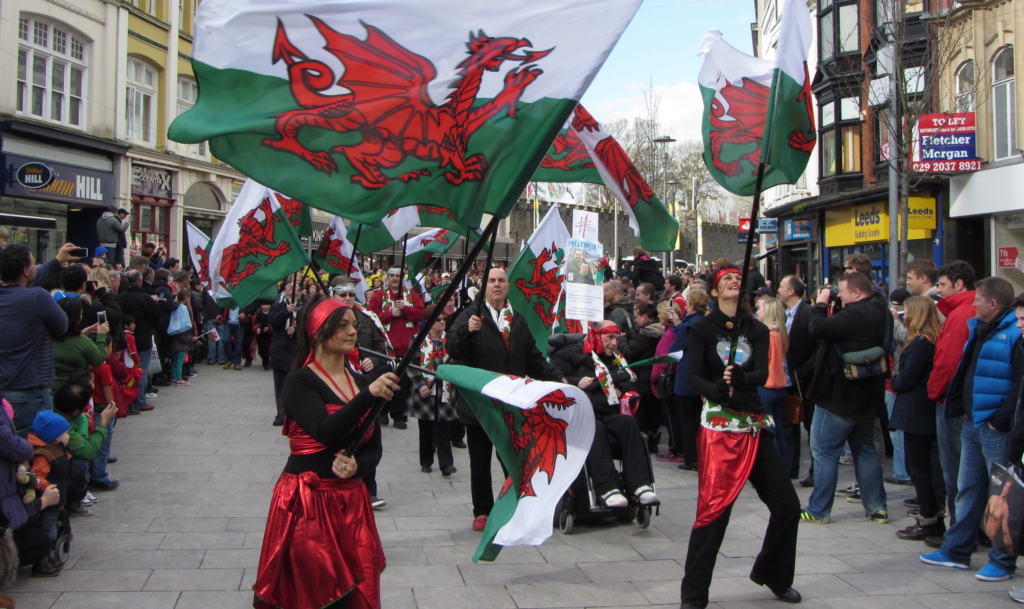
The red dragon flag, known as Y Ddraig Goch, is proudly displayed during celebrations. The dragon has ancient Celtic origins and represents strength and resilience.
How St. David’s Day Is Celebrated Today

4
Parades and Festivals
Major cities like Cardiff host vibrant parades featuring marching bands, traditional dancers, and community groups. These events attract thousands of visitors each year.
School Celebrations
Schools across Wales organize concerts known as Eisteddfodau. These events include singing, poetry, and drama performed in both English and Welsh.
Traditional Dress
Girls often wear Welsh national dress, which includes a tall black hat and red shawl. Boys may dress in historical Welsh costumes.
Music and Singing
Welsh music plays a central role. Traditional folk songs and hymns are performed in churches and public gatherings. The cultural importance of music in Wales is deeply tied to its identity as the “Land of Song.”
Traditional Food for St. David’s Day
Food is an essential part of St. David’s Day celebrations.
Welsh Cakes
These small, sweet cakes are made with flour, butter, sugar, and dried fruit. They are cooked on a griddle and dusted with sugar.
Cawl
Cawl is a traditional Welsh soup made with lamb and vegetables. It is often served during festive gatherings.
Bara Brith
This fruit loaf, whose name means “speckled bread,” is another favorite treat enjoyed with tea.
Restaurants across Wales often create special menus to mark the occasion.
St. David’s Day Around the World
Although St. David’s Day is primarily celebrated in Wales, Welsh communities worldwide observe it as well.
Cities in the United States, Canada, Australia, and New Zealand host cultural events organized by Welsh societies. These celebrations help preserve Welsh heritage abroad.
In London, Welsh communities gather near landmarks such as Trafalgar Square for cultural festivals and performances.
Religious Significance of St. David’s Day
For many Christians, St. David’s Day is a time of reflection and spiritual renewal. Churches hold special services honoring Saint David’s teachings of humility, simplicity, and devotion.
His famous words, “Do the little things,” continue to inspire people today. These words emphasize kindness, patience, and everyday acts of goodness.
Is St. David’s Day a Public Holiday?
Despite its importance, St. David’s Day is not officially recognized as a public holiday across the UK. There have been ongoing discussions about granting it official holiday status in Wales.
Political leaders and cultural groups continue to advocate for formal recognition. Some Welsh Members of Parliament have proposed making March 1st a bank holiday in Wales.
Cultural Impact of St. David’s Day
St. David’s Day plays a key role in preserving the Welsh language and traditions. It encourages younger generations to learn about their heritage.
Events such as poetry readings, folk dancing, and musical competitions strengthen cultural continuity.
The celebration also boosts tourism. Visitors travel to Wales to experience authentic cultural festivities, contributing to the local economy.
St. David’s Day in Modern Times
In recent years, social media has increased global awareness of St. David’s Day. Hashtags, online campaigns, and digital events allow people worldwide to participate virtually.
Businesses and brands also use the day to promote Welsh products and culture. From themed merchandise to special promotions, commercial participation has grown.
However, at its core, the celebration remains deeply rooted in cultural pride rather than commercialization.
Comparing St. David’s Day to Other Patron Saint Celebrations
Many countries honor patron saints. For example:
- Ireland celebrates Saint Patrick.
- Scotland celebrates Saint Andrew.
- England celebrates Saint George.
Like these celebrations, St. David’s Day combines religious respect with national pride.
However, it tends to be more culturally focused and less commercialized compared to Saint Patrick’s Day.
How to Celebrate St. David’s Day at Home
Even if you are not in Wales, you can celebrate St. David’s Day in meaningful ways:
- Wear a daffodil or leek.
- Cook traditional Welsh dishes.
- Learn a few Welsh phrases.
- Listen to Welsh music.
- Share the history of Saint David with family.
These simple acts help keep the spirit of the celebration alive.
The Future of St. David’s Day
The future of St. David’s Day looks promising. Growing interest in cultural heritage and identity has strengthened its importance.
Campaigns continue to push for official public holiday recognition. At the same time, international celebrations are expanding.
As awareness grows, St. David’s Day may gain even broader recognition worldwide.
Conclusion
St. David’s Day is a powerful symbol of Welsh identity, faith, and cultural pride. Celebrated annually on March 1st, it honors the life and teachings of Saint David while bringing communities together.
From traditional costumes and music to parades and food, the celebration reflects centuries of history and resilience. Whether observed in Wales or abroad, St. David’s Day continues to inspire unity and national pride.
By understanding its origins, symbols, and modern relevance, we can appreciate why this special day remains such an important part of Welsh culture.
