


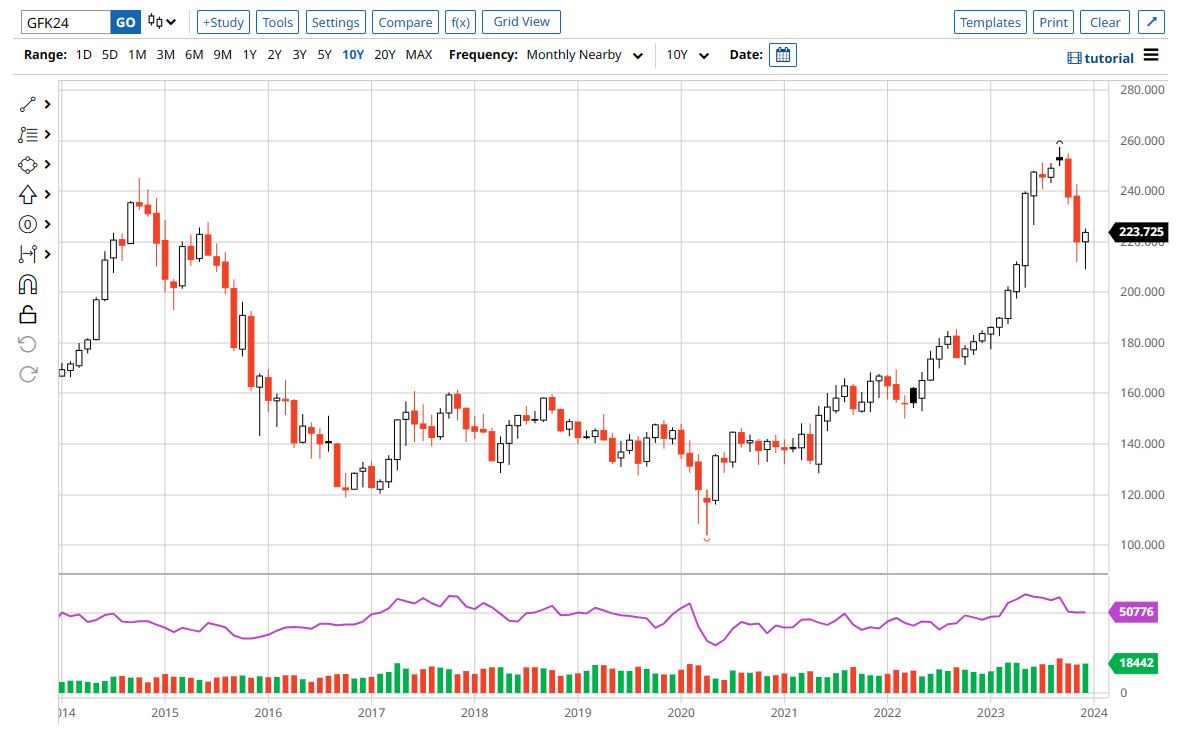
Understanding commodity markets has become essential for traders, investors, and agricultural professionals. Among the various commodities, live cattle plays a crucial role in the livestock and agricultural sector. For anyone looking to monitor prices, trends, and market data, Barchart live cattle charts provide accurate, real-time insights. This article explores the importance, features, and strategies for using Barchart live cattle data effectively.
What is Barchart Live Cattle?
Barchart live cattle is a real-time online charting tool that tracks the market prices of live cattle. Live cattle represent beef cattle that are ready for slaughter, and their prices are influenced by factors such as feed costs, weather conditions, demand, and global trade dynamics. Barchart provides traders with live price updates, historical data, and technical analysis tools to make informed decisions.
Key Features of Barchart Live Cattle
- Real-Time Price Updates: One of the main advantages of Barchart live cattle charts is that they provide continuous price monitoring. This allows traders to respond promptly to market changes.
- Interactive Charts: Barchart offers dynamic charting features, such as candlestick charts, line charts, and bar charts, to help users visualize price movements effectively.
- Technical Analysis Tools: Barchart includes indicators like moving averages, Bollinger Bands, and Relative Strength Index (RSI), which are essential for trend analysis and forecasting.
- Historical Data Access: Users can review historical price trends of live cattle to identify seasonal patterns and long-term market behaviors.
How Barchart Live Cattle Helps Traders
For traders, Barchart live cattle is more than just a charting tool. It serves as a comprehensive platform for making strategic trading decisions.
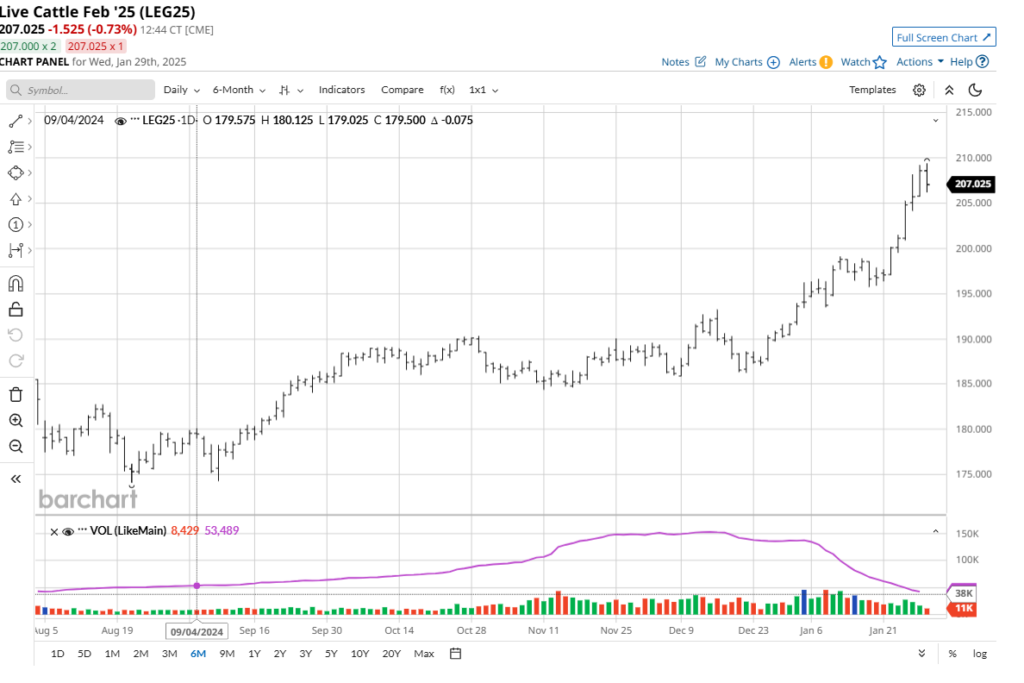
- Market Timing: By monitoring live cattle prices, traders can identify the best entry and exit points in the market.
- Risk Management: With access to historical and real-time data, traders can reduce risks by making data-driven decisions.
- Investment Strategy: Investors looking to diversify into agricultural commodities can use Barchart live cattle data to understand market trends and forecast potential returns.
Factors Affecting Barchart Live Cattle Prices
Several factors influence live cattle prices, and understanding them is key for interpreting Barchart live cattle charts:
- Feed Costs: Corn and soy prices directly affect cattle production costs.
- Weather Conditions: Droughts or floods can impact cattle supply, influencing market prices.
- Consumer Demand: Seasonal demand fluctuations for beef products can cause price swings.
- Global Trade Policies: Export restrictions, tariffs, or trade agreements may affect domestic cattle prices.
- Cattle Inventory Reports: USDA reports on cattle inventory and slaughter rates are critical for price forecasting.
How to Read Barchart Live Cattle Charts
Using Barchart live cattle charts effectively requires understanding the chart types and technical indicators.
Candlestick Charts
Candlestick charts provide detailed insights into price movements. Each candlestick shows:
- Open price
- Close price
- High price
- Low price
This visual representation helps traders identify bullish or bearish market trends.
Bar Charts
Bar charts are simple yet effective in showing market volatility. They depict opening and closing prices along with daily highs and lows. Using bar charts, traders can quickly understand market momentum.
Moving Averages
Moving averages are widely used in Barchart live cattle analysis to smooth out price fluctuations. They help in identifying long-term trends and potential reversals.
Barchart Live Cattle vs Other Commodity Charts
While there are multiple platforms for commodity price tracking, Barchart stands out for live cattle monitoring due to:
- User-friendly interface
- Comprehensive charting options
- Detailed historical data
- Advanced technical indicators
Compared to other platforms, Barchart’s focus on live market data ensures traders and investors get timely and accurate information.
Tips for Trading Live Cattle Using Barchart
- Track Seasonal Patterns: Live cattle prices often fluctuate seasonally. Use Barchart live cattle historical data to identify recurring trends.
- Use Technical Indicators: Leverage tools like MACD, RSI, and Bollinger Bands for better trade timing.
- Monitor News and Reports: USDA reports, weather forecasts, and global trade news can significantly impact prices.
- Set Alerts: Barchart allows setting price alerts to notify traders of significant market movements.
- Diversify Your Strategy: Avoid relying solely on one commodity; monitor related markets like corn, soybeans, and feeder cattle for a holistic approach.
Benefits of Using Barchart Live Cattle for Investment
Investors and traders using Barchart live cattle gain several advantages:
- Transparency: Live data ensures that price movements are visible in real-time.
- Informed Decision Making: Historical trends and technical indicators help in making well-informed investment choices.
- Flexibility: The platform can be accessed via desktop or mobile, allowing monitoring anytime, anywhere.
- Portfolio Diversification: Investing in live cattle can reduce portfolio risk by providing exposure to the agricultural sector.
Common Mistakes to Avoid in Live Cattle Trading
Even with accurate Barchart live cattle charts, traders can make mistakes:
- Ignoring Market News: Price charts alone are insufficient; understanding market drivers is critical.
- Overtrading: Reacting to minor price fluctuations without strategy can lead to losses.
- Neglecting Risk Management: Setting stop-loss levels and proper position sizing is essential.
- Relying Only on Technical Analysis: Fundamental factors like feed costs, weather, and trade policies must also be considered.
Future Trends in Live Cattle Trading
The live cattle market is evolving with technology and global trade dynamics. Some future trends include:
- Integration of AI in Trading: AI can predict price movements using historical and real-time data.
- Sustainable Farming Practices: Increased demand for ethically sourced beef may influence cattle prices.
- Global Market Influence: International trade and export trends will continue impacting live cattle pricing.
By staying updated on these trends and leveraging Barchart live cattle data, traders can maintain a competitive edge
