


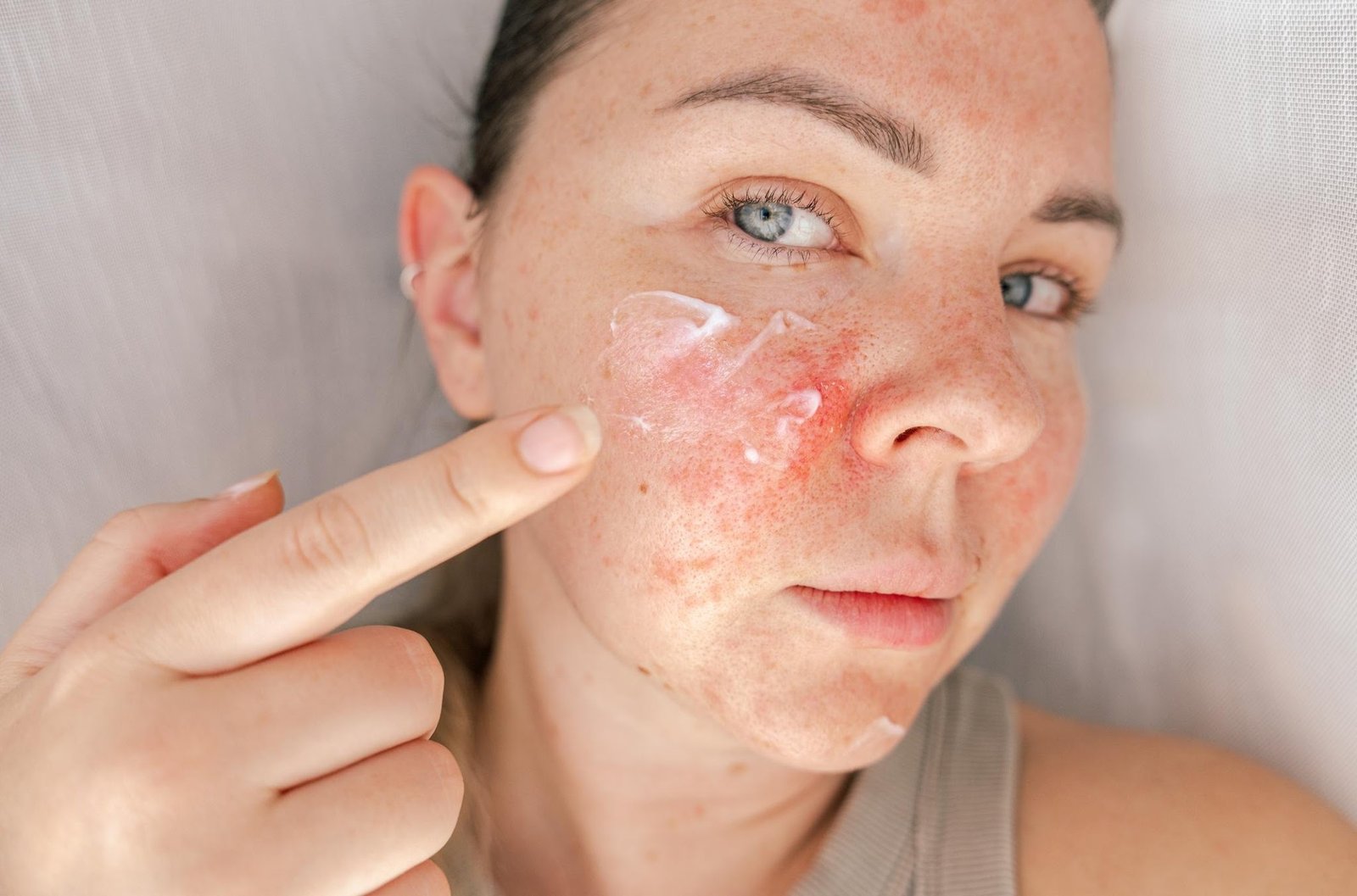
Skin conditions that involve redness, itching, irritation, and inflammation can significantly affect quality of life. For many individuals, persistent skin flare-ups are more than a cosmetic concern—they can interfere with sleep, confidence, comfort, and daily activities. While moisturizers and basic skincare products may provide temporary relief, some conditions require a more targeted approach.
One ingredient that has become increasingly recognized in dermatology is tacrolimus. Unlike traditional steroid-based treatments, tacrolimus belongs to a different class of medications and is commonly used for inflammatory skin conditions such as eczema. Its ability to help calm the immune response within the skin has made it an important option for individuals seeking long-term management of chronic skin irritation.
What Is Eczema?

Eczema, also known as atopic dermatitis, is a chronic inflammatory skin condition that affects millions of people worldwide. It often causes:
- Persistent itching
- Dry skin
- Red or inflamed patches
- Skin sensitivity
- Cracking and irritation
- Recurring flare-ups
The condition can affect people of all ages, although it frequently begins during childhood. Some individuals experience mild symptoms, while others deal with severe and persistent inflammation that requires ongoing management. (mims.com)
Why Skin Inflammation Occurs

The immune system plays a major role in many inflammatory skin conditions. In people with eczema, the immune response may become overactive, causing inflammation that leads to redness, itching, and discomfort.
Several factors can trigger flare-ups, including:
- Environmental allergens
- Weather changes
- Stress
- Harsh skincare products
- Certain fabrics
- Excessive sweating
- Skin barrier dysfunction
Because the underlying issue often involves immune system activity, treatments that help regulate this response can be particularly beneficial. (OKDERMO Skin Care)
What Is Tacrolimus?
Tacrolimus is a topical calcineurin inhibitor that works differently from traditional corticosteroids. Rather than acting as a steroid, it helps regulate immune activity within the skin, reducing inflammation and helping to relieve symptoms associated with eczema and related conditions. (OKDERMO Skin Care)
This unique mechanism has made tacrolimus a valuable option for individuals who:
- Have not responded well to other treatments
- Require long-term management
- Experience recurring flare-ups
- Need treatment for sensitive skin areas
- Wish to avoid prolonged steroid use
Because it targets inflammation directly, tacrolimus can help support healthier-looking skin while reducing discomfort associated with chronic skin conditions. (OKDERMO Skin Care)
How Tacrolimus Supports Skin Health

The primary goal of tacrolimus therapy is to help reduce inflammation and calm immune activity within affected areas of skin.
Potential benefits may include:
Reduced Itching
Persistent itching is often one of the most frustrating aspects of eczema. By helping control inflammation, tacrolimus may contribute to reduced itching and greater daily comfort. (1mg)
Improved Skin Appearance
When inflammation decreases, redness and irritation often become less noticeable, contributing to a healthier-looking complexion and skin surface.
Better Management of Flare-Ups
Many people experience cycles of improvement followed by recurring flare-ups. Consistent management strategies may help reduce the frequency and severity of these episodes.
Support for Sensitive Areas
Certain areas of the body, including the face, neck, and skin folds, can be particularly sensitive. Tacrolimus is often discussed as an option for managing inflammation in delicate areas where long-term steroid use may be less desirable. (OKDERMO Skin Care)
Beyond Eczema: Other Skin Conditions
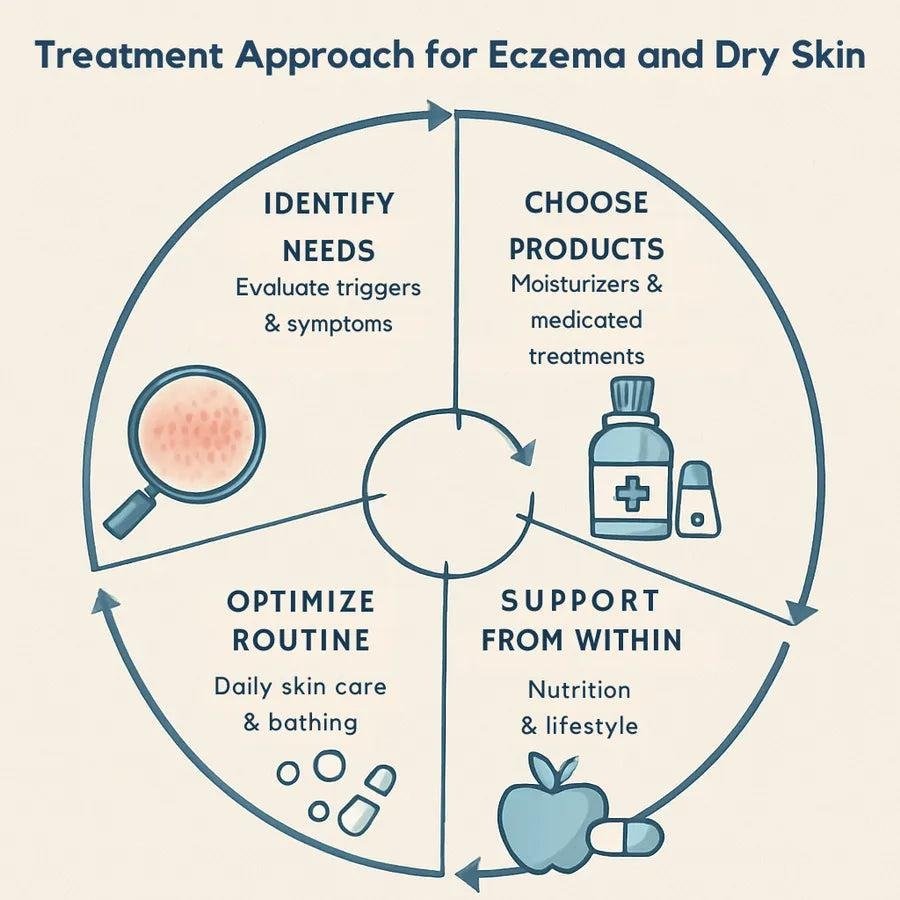
Although eczema is one of the most common reasons tacrolimus is prescribed, it has also been explored in connection with other inflammatory and immune-related skin conditions.
Examples may include:
- Vitiligo management
- Certain forms of dermatitis
- Chronic inflammatory skin disorders
- Immune-mediated skin conditions
Because these conditions often involve complex immune responses, treatments that help regulate immune activity can play an important role in comprehensive skin care plans. (OKDERMO Skin Care)
The Importance of a Healthy Skin Barrier
Managing inflammatory skin conditions is not only about reducing symptoms. Supporting the skin barrier is equally important.
A compromised skin barrier can lead to:
- Increased dryness
- Greater sensitivity
- More frequent irritation
- Higher risk of flare-ups
Individuals dealing with eczema often benefit from routines that prioritize hydration and barrier protection alongside targeted treatments.
Helpful habits may include:
- Using fragrance-free moisturizers
- Avoiding harsh cleansers
- Limiting hot showers
- Wearing breathable fabrics
- Maintaining consistent skincare habits
These practices can help create an environment where the skin is better able to recover and maintain its natural protective functions.
Choosing a Tacrolimus-Based Treatment
As awareness of non-steroidal treatment options continues to grow, many individuals seek products containing tacrolimus for managing inflammatory skin concerns.
One commonly used option is Tacroz Tacrolimus 0.1% Cream, a tacrolimus-based formulation often incorporated into skincare routines focused on eczema management, skin inflammation control, and long-term support for sensitive skin conditions.
For individuals exploring alternatives to traditional steroid treatments, tacrolimus-based formulations continue to be an important option within modern dermatology.
Common Mistakes That Can Worsen Skin Irritation
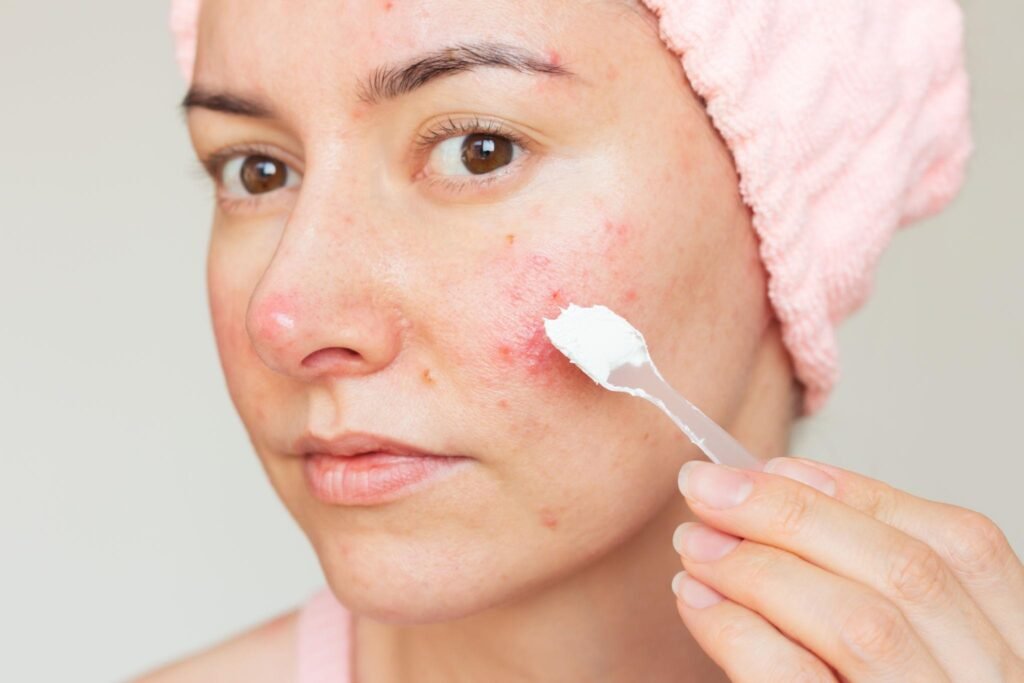
Even effective treatments can produce disappointing results if certain habits continue to aggravate the skin.
Overusing Harsh Products
Strong exfoliants, alcohol-based products, and heavily fragranced cosmetics may worsen irritation and trigger flare-ups.
Neglecting Moisturization
Hydration plays a major role in maintaining a healthy skin barrier and supporting overall skin comfort.
Scratching Inflamed Skin
Although itching can be difficult to resist, scratching often worsens inflammation and increases the risk of skin damage.
Inconsistent Treatment
Many chronic skin conditions require consistency. Frequently changing products or stopping treatment prematurely may limit long-term progress.
Long-Term Skin Management
Chronic skin conditions often require ongoing care rather than a one-time solution. Developing sustainable habits can help improve comfort and skin appearance over time.
A long-term strategy may include:
- Consistent skincare routines
- Trigger identification and avoidance
- Proper hydration
- Barrier-supportive products
- Professional guidance when necessary
By focusing on both symptom management and skin health, individuals may experience greater stability and fewer disruptions from recurring flare-ups.
Final Thoughts
Living with eczema and other inflammatory skin conditions can be challenging, but advances in dermatology have created more treatment options than ever before. Tacrolimus has become a widely recognized non-steroidal approach for helping manage inflammation, reduce itching, and support healthier skin.
When combined with proper skincare habits and consistent skin barrier support, tacrolimus-based treatments may help individuals improve comfort, manage flare-ups more effectively, and maintain healthier-looking skin over the long term.
